A healthy diet during pregnancy Indian food plan should include protein-rich foods, iron, calcium, folate, healthy fats, fruits, vegetables, whole grains, and adequate hydration. Nutritional needs change throughout pregnancy, making trimester-wise meal planning essential for supporting maternal health, fetal growth, brain development, and a healthy pregnancy journey.
Following the right diet chart for pregnant women is one of the most important steps for supporting your health and your baby’s development. A balanced Indian pregnancy diet can provide the nutrients needed for healthy growth, immunity, energy, and fetal brain development. At NFNA, we believe that evidence-based nutrition education empowers mothers to make confident dietary choices throughout pregnancy.
Why Following the Right Diet During Pregnancy Is Important
Pregnancy creates increased nutritional demands because your body is supporting the growth of another human being. Every nutrient you consume contributes to your baby’s development while also helping your body adapt to physical and hormonal changes.
A nutritious diet can help:
- Support healthy fetal growth
- Reduce the risk of nutritional deficiencies
- Promote healthy weight gain
- Improve energy levels
- Support immune function
- Prepare the body for delivery and recovery
Rather than eating more food, the goal should be eating more nutrient-dense food.
A carefully planned diet during pregnancy Indian food approach allows women to meet their nutritional needs using familiar, wholesome Indian meals.
How Nutrition Supports Baby’s Growth
Nutrition directly influences:
- Organ formation
- Brain development
- Bone growth
- Immune system development
- Healthy birth weight
Nutrients such as folate, iron, calcium, protein, and omega-3 fatty acids are particularly important throughout pregnancy. Mothers who want deeper guidance on building these habits can also benefit from structured health and nutrition courses that cover evidence-based dietary principles in detail.
Essential Nutrients Every Pregnant Woman Needs
Folic Acid
Folic acid supports neural tube development and is especially important during early pregnancy.
Indian Food Sources
- Spinach
- Methi leaves
- Lentils
- Chickpeas
- Citrus fruits
- Black-eyed peas
Iron
Iron supports increased blood production and oxygen transport.
Daily Sources
- Rajma
- Chana
- Jaggery
- Green leafy vegetables
- Garden cress seeds
- Lean meats
Calcium
Calcium helps build strong bones and teeth while protecting maternal bone health.
Calcium Sources
- Milk
- Curd
- Paneer
- Ragi
- Sesame seeds
- Almonds
Protein
Protein is essential for tissue formation and fetal growth.
Vegetarian Sources
- Lentils
- Tofu
- Paneer
- Soy products
- Beans
- Greek yogurt
Non-Vegetarian Sources
- Eggs
- Fish
- Chicken
Omega-3 Fatty Acids
These healthy fats contribute to fetal brain and eye development.
Indian Sources
- Walnuts
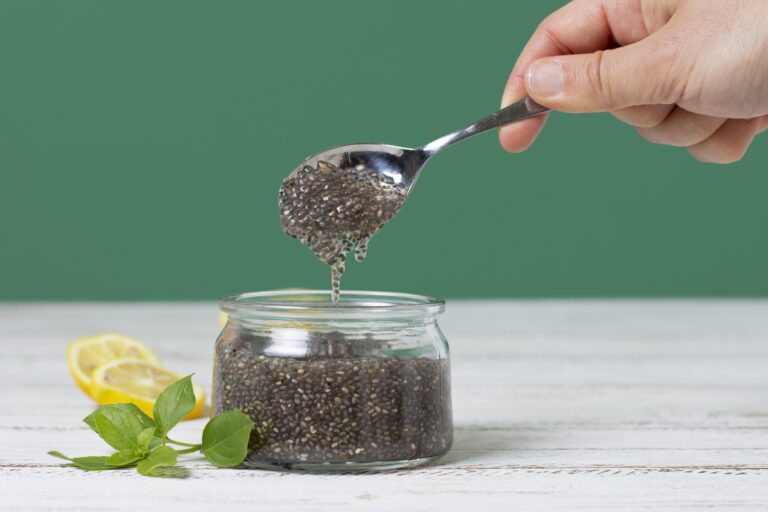
- Chia seeds
- Flaxseeds
- Fatty fish
What to Eat in Each Trimester of Pregnancy India
Nutritional priorities evolve as pregnancy progresses. Understanding what to eat in each trimester of pregnancy India can help mothers make informed dietary choices. Hindi-speaking mothers can also refer to a pregnancy diet chart in Hindi for accessible trimester-wise guidance in their preferred language.
First Trimester Diet Plan (Weeks 1–12)
The first trimester focuses on organ formation and rapid cellular growth.
Key Nutrients
- Folate
- Vitamin B6
- Iron
- Hydration
Recommended Foods
- Moong dal chilla
- Vegetable poha
- Fresh fruits
- Coconut water
- Sprouts
- Spinach
Managing Morning Sickness
Many women experience nausea during the first trimester. Small, frequent meals and bland foods may help.
Sample Meal Plan
- Breakfast: Vegetable poha
- Lunch: Roti, dal, sabzi, curd
- Snack: Roasted chana
- Dinner: Vegetable khichdi
Second Trimester Diet Plan (Weeks 13–26)
This phase is characterized by rapid fetal growth.
Key Nutrients
- Protein
- Calcium
- Iron
Recommended Foods
- Paneer
- Curd
- Lentils
- Ragi
- Nuts
- Seeds
Sample Meal Plan
- Breakfast: Ragi dosa
- Lunch: Rajma with brown rice
- Snack: Makhana
- Dinner: Paneer curry with chapati
Third Trimester Diet Plan (Weeks 27–40)
The final trimester focuses on weight gain, brain development, and preparation for delivery.
Key Nutrients
- Iron
- Healthy fats
- Fiber
- Protein
Recommended Foods
- Oats
- Walnuts
- Rajma
- Seasonal fruits
- Sprouts
- Makhana
Sample Meal Plan
- Breakfast: Vegetable oats
- Lunch: Dal, spinach sabzi, chapati
- Snack: Fruit chaat
- Dinner: Vegetable pulao with curd
A trimester-wise diet during pregnancy Indian food strategy ensures changing nutritional requirements are met effectively.
Pregnancy Meal Plan Indian Vegetarian
A well-planned pregnancy meal plan Indian vegetarian can easily meet nutritional requirements when built around diverse food groups.
Early Morning
- Warm water
- Soaked almonds
- Dates
Breakfast
- Besan chilla
- Oats porridge
- Vegetable upma
- Moong dal chilla
Mid-Morning
- Fruit bowl
- Coconut water
- Buttermilk
Lunch
- Whole wheat roti
- Dal
- Vegetable sabzi
- Salad
- Curd
Evening Snacks
- Roasted makhana
- Chana
- Sprout salad
Dinner
- Khichdi
- Paneer curry
- Dal soup
- Vegetable pulao
Bedtime
- Warm milk
- Turmeric milk
This pregnancy meal plan Indian vegetarian approach provides balanced nutrition while supporting healthy fetal development. Mothers interested in deepening their understanding of food composition can also explore food science courses that explain how cooking methods and ingredients affect nutritional value.
Iron Rich Indian Foods During Pregnancy
Iron requirements increase significantly during pregnancy because blood volume expands to support fetal growth.
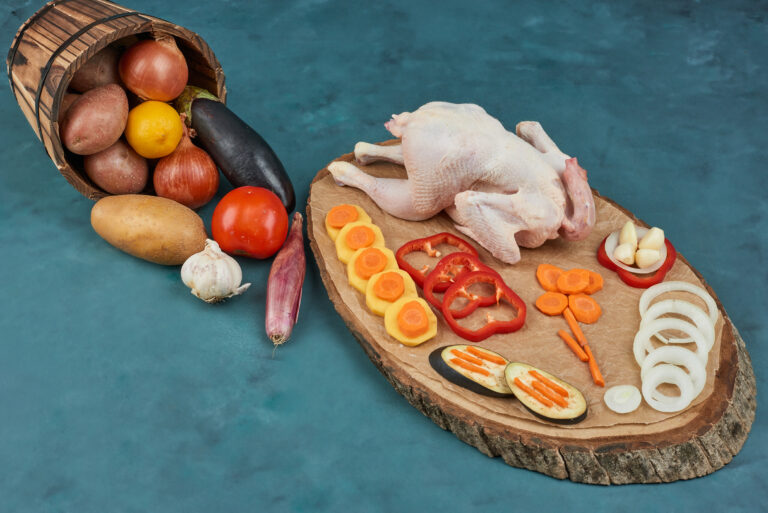
Top Iron-Rich Vegetarian Foods
- Spinach
- Amaranth leaves
- Rajma
- Chana
- Black sesame seeds
- Jaggery
- Garden cress seeds
Top Iron-Rich Non-Vegetarian Foods
- Eggs
- Chicken
- Fish
Improve Iron Absorption
Pair iron-rich foods with vitamin C sources such as:
- Oranges
- Guava
- Lemon
- Amla
Avoid tea and coffee immediately after meals, as they can reduce iron absorption.
Calcium Rich Foods for Pregnant Women India
Calcium supports the development of bones, teeth, muscles, and nerves.
Best Calcium-Rich Foods
- Milk
- Paneer
- Curd
- Ragi
- Sesame seeds
- Almonds
- Soy products
Lactose-Free Options
Women who avoid dairy can obtain calcium from:
- Fortified plant milk
- Tofu
- Ragi
- Sesame seeds
Including calcium-rich foods for pregnant women India helps support both maternal and fetal bone health.
Foods That Help Fetal Brain Development India
Brain development begins early in pregnancy and continues throughout gestation.
Omega-3 Rich Foods
- Walnuts
- Flaxseeds
- Chia seeds
- Fatty fish
Choline-Rich Foods
- Eggs
- Soy products
- Dairy products
Protein Sources
- Lentils
- Paneer
- Tofu
- Fish
- Chicken
Micronutrients Supporting Brain Development
- Iron
- Iodine
- Zinc
- Folate
Regular consumption of foods that help fetal brain development India may contribute to healthy cognitive growth. Mothers seeking to build broader knowledge around these principles can explore a nutrition and dietician course that covers maternal and lifecycle nutrition in structured detail.
Foods to Avoid During Pregnancy
Certain foods may increase the risk of foodborne illness or other complications.
Avoid:
- Raw eggs
- Undercooked meat
- Unpasteurized dairy products
- High-mercury fish
- Excess caffeine
- Highly processed foods
- Excess sugary beverages
Always follow your healthcare provider’s recommendations regarding food safety.
Common Pregnancy Diet Myths
Myth 1: You Must Eat for Two
Pregnancy increases nutrient needs more than calorie needs.
Myth 2: Saffron Makes the Baby Fair
There is no scientific evidence supporting this claim.
Myth 3: All Papaya Is Unsafe
Fully ripe papaya is generally considered safe in moderation.
Myth 4: Exercise Should Be Avoided
Most healthy pregnancies benefit from appropriate physical activity under medical guidance.
Practical Tips for Maintaining a Healthy Pregnancy Diet
- Eat smaller meals more frequently.
- Stay hydrated throughout the day.
- Include protein with every meal.
- Consume seasonal fruits and vegetables.
- Avoid skipping meals.
- Choose whole grains over refined grains.
- Monitor weight gain with professional guidance.
- Follow a balanced diet during pregnancy, the Indian food pattern rather than restrictive eating habits.
Conclusion
A healthy pregnancy begins with informed nutritional choices. Following a balanced diet during pregnancy, an Indian food plan can help support fetal growth, maternal health, healthy weight gain, and long-term well-being. By focusing on nutrient-dense foods, trimester-specific needs, and balanced meal planning, mothers can create a strong nutritional foundation for both themselves and their babies. Those who wish to take their interest further can explore structured nutrition courses that provide evidence-based learning applicable to maternal, family, and community health settings
Learn the Science Behind Pregnancy Nutrition with NFNA
Pregnancy nutrition is one of the most impactful areas of maternal and child health. Understanding the role of nutrients in fetal development, maternal well-being, lactation, and long-term health outcomes requires evidence-based knowledge and practical application.
At NFNA (National Fitness & Nutrition Academy), we offer industry-recognised nutrition education designed by experts to help aspiring nutrition professionals build real-world skills. Whether you want to deepen your understanding of maternal nutrition or pursue a career in health and wellness, NFNA’s comprehensive programs provide the scientific foundation needed to make a meaningful difference.
Explore NFNA’s nutrition certification programs today and take the next step toward becoming a knowledgeable, trusted nutrition professional.
Frequently Asked Questions
Q1. How much water should a pregnant woman drink daily?
Most pregnant women benefit from approximately 2.3–3 liters of fluids daily, though requirements vary depending on climate, activity level, and medical conditions.
Q2. How can I increase iron naturally during pregnancy?
Consume iron-rich foods such as spinach, rajma, chana, jaggery, and garden cress seeds, and pair them with vitamin C-rich foods to improve absorption.
Q3. Can a vegetarian diet support a healthy pregnancy?
Yes. A well-planned Indian vegetarian pregnancy meal plan can provide adequate protein, iron, calcium, and other essential nutrients.
Q4. Can pregnant women eat spicy Indian food?
Moderate consumption of spicy food is generally safe unless it causes discomfort, acidity, or digestive issues.
Q5. Is ghee good during pregnancy?
Ghee can be part of a balanced pregnancy diet when consumed in moderation. Excessive intake is not necessary for a healthy pregnancy.
Q6. Is it safe to drink milk every day during pregnancy?
Yes. Milk provides calcium, protein, and several essential nutrients that support maternal and fetal health.
Q7. Will eating walnuts help fetal brain development?
Walnuts contain omega-3 fatty acids that support healthy brain development when included as part of a balanced diet.
Q8. What is the best diet during pregnancy Indian food plan?
The best plan includes whole grains, fruits, vegetables, protein-rich foods, iron-rich foods, calcium sources, healthy fats, and adequate hydration while adapting to trimester-specific nutritional needs.