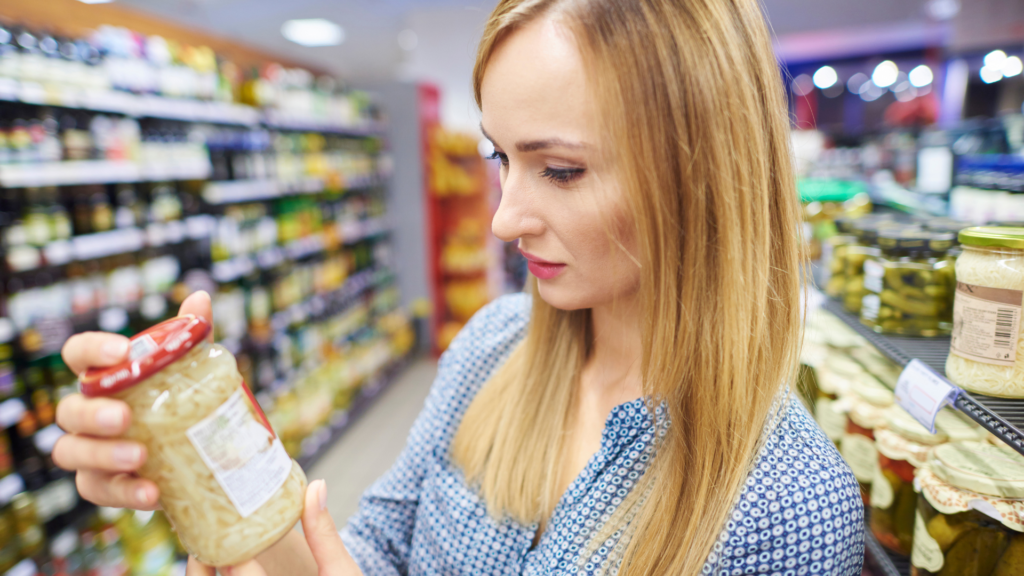
Food labels help consumers understand what’s inside packaged foods. To read them correctly, start with the serving size, check calories and key nutrients, review the ingredient list, identify added sugars, understand Daily Value (%DV), and verify FSSAI-compliant information. Learning how to read food labels correctly can help you make healthier, more informed food choices and avoid misleading marketing claims.
If you’ve ever wondered how to read food labels correctly, you’re not alone. Most packaged foods contain valuable nutrition information, but many consumers don’t know how to interpret it. At NFNA, we believe nutrition literacy is an essential skill. Understanding food labels can help you make informed decisions about your health, fitness, and overall well-being.
Why Reading Food Labels Is More Important Than Ever in India
The Indian food market has seen tremendous growth in packaged and convenience foods. While these products offer convenience, they also make it easier to consume excess sugar, sodium, unhealthy fats, and calories without realizing it.
Lifestyle conditions such as obesity, type 2 diabetes, hypertension, and cardiovascular disease are becoming increasingly common. One of the simplest ways to make better dietary choices is to learn how to read food labels correctly before purchasing a product. For those who want to take this understanding further professionally, a structured dietician course builds the clinical knowledge needed to interpret nutritional data and design evidence-based dietary plans for diverse health conditions.
Food labels provide transparency. They tell you what ingredients have been used, how much of each nutrient is present, and whether the product aligns with your health goals.
Understanding the Anatomy of a Food Label
Before diving into nutrients and percentages, it’s important to understand the different sections of a food label.
Every packaged food product in India typically contains:
- Product Name: The name of the food product.
- Ingredient List: A list of all ingredients used in the product.
- Nutrition Information Panel: Details about calories, protein, carbohydrates, fats, sugar, sodium, and other nutrients.
- FSSAI License Number: Indicates compliance with Indian food safety regulations.
- Manufacturing and Expiry Information: Important for food safety and freshness.
- Allergen Information: Highlights ingredients that may trigger allergies.
When learning how to understand nutrition label on food packets India, becoming familiar with these sections is the first step.
Step 1: Always Start with the Serving Size
One of the biggest mistakes consumers make is ignoring the serving size.
The nutrition information shown on the label usually applies to a specific serving amount—not necessarily the entire package.
For example:
- Serving size: 30g
- Packet size: 90g
If you consume the entire packet, you may be consuming three times the calories, sugar, sodium, and fat listed on the label.
Why Serving Size Matters
Serving size affects:
- Total calories consumed
- Sugar intake
- Fat consumption
- Sodium intake
- Protein intake
Whenever you want to read food labels correctly, start with the serving size before looking at any other numbers. This principle is especially relevant when following a structured eating framework such as a 1500 calorie diet plan for Indians, where accurate portion reading directly determines whether daily calorie targets are being met.
Step 2: Learn How to Understand Nutrition Labels on Food Packets in India
The nutrition panel contains key information about the nutritional composition of a product.
Calories
Calories represent the amount of energy provided by food.
If your goal is weight management, calorie awareness is important. However, calories alone do not determine whether a food is healthy.
Protein
Protein supports muscle maintenance, recovery, and overall body function.
Higher protein foods can help improve satiety and support active lifestyles.
Carbohydrates
Carbohydrates are the body’s primary energy source.
Pay attention to:
- Total carbohydrates
- Dietary fibre
- Added sugars
Total Fat
Not all fats are harmful.
Focus on limiting:
- Saturated fat
- Trans fat
Sodium
Excess sodium intake may contribute to high blood pressure and cardiovascular concerns.
Many packaged foods contain significantly more sodium than consumers realize.
Learning how to read food labels correctly means evaluating all these nutrients together rather than focusing on a single number.
What Is Daily Value Percentage on Food Label and Why Does It Matter?
Many consumers wonder, what is daily value percentage on food label and how should it be used?
Daily Value (%DV) indicates how much a nutrient contributes to your daily dietary needs.
A simple rule:
- 5% DV or less = Low
- 20% DV or more = High
Example
If a food contains:
- Calcium: 25% DV
One serving provides approximately 25% of your daily calcium requirement.
How to Use Daily Value
Use %DV to:
- Compare similar products
- Identify nutrient-dense foods
- Limit nutrients such as sodium and saturated fat
- Increase beneficial nutrients such as fibre and calcium
Understanding Daily Value is an important part of how to read food labels correctly and make informed purchasing decisions. It also becomes particularly useful when evaluating packaged foods within specialized eating plans such as an Indian keto diet plan, where tracking fat, carbohydrate, and protein ratios across labeled products is essential for staying within dietary targets.
How to Check Added Sugar on Food Labels in India
One of the most important nutrition skills today is understanding how to check added sugar on food labels India.
Added sugars can significantly increase calorie intake without providing meaningful nutritional value.
Common Names for Added Sugar
Manufacturers may use different names, including:
- Sucrose
- Dextrose
- Maltose
- Fructose syrup
- Corn syrup
- Glucose syrup
- Liquid glucose
- Invert sugar
Check the Ingredient List
Ingredients are listed in descending order by weight.
If sugar or sugar-related ingredients appear near the top of the list, the product likely contains a significant amount of added sugar.
Watch for Multiple Sugar Sources
Sometimes manufacturers use several types of sugar in smaller quantities to make sugar appear lower in the ingredient list.
This is one reason why knowing how to read food labels correctly is so valuable.
Understanding the Ingredient List: The Most Important Section on Any Food Label
Many nutrition professionals consider the ingredient list more important than the calorie count.
Ingredients Are Listed by Quantity
The first ingredient represents the largest proportion of the product.
Focus on the First Three Ingredients
These ingredients often determine the overall nutritional quality of the food.
Identify Ultra-Processed Foods
Products with long ingredient lists containing:
- Artificial flavours
- Artificial colours
- Preservatives
- Emulsifiers
- Stabilizers
may be more heavily processed.
The ingredient list often reveals more about food quality than the front packaging. Understanding how to identify these ingredients is a core component of broader food science courses, which explore how processing methods affect the nutritional integrity and composition of packaged foods.
Common Misleading Claims on Packaged Food in India
Consumers frequently encounter marketing claims that sound healthier than they actually are.
Understanding misleading claims on packaged food India can help prevent poor purchasing decisions.
- “Sugar-Free”: May still contain artificial sweeteners.
- “Natural”: The term does not automatically guarantee nutritional quality.
- “Multigrain”: A product may contain multiple grains while still being highly processed.
- “High Protein”: Always verify the actual protein content per serving.
- “Low Fat”: Reduced fat products may contain additional sugar or additives.
- “No Added Preservatives”: The product may still contain ingredients that perform preservation functions.
Always verify claims by reading the nutrition panel and ingredient list.
FSSAI Food Label Reading Guide India: Key Things Every Consumer Should Know
A proper FSSAI food label reading guide India includes checking mandatory information required under Indian regulations.
FSSAI License Number
Confirms the product is registered under food safety regulations.
Vegetarian and Non-Vegetarian Symbols
These symbols help consumers identify product categories quickly.
Allergen Information
Important for individuals with food allergies and sensitivities.
Nutritional Information
Provides details regarding:
- Energy
- Protein
- Carbohydrates
- Sugars
- Fats
- Sodium
Understanding FSSAI requirements makes it easier to read food labels correctly and identify reliable food products.
How Different People Should Read Food Labels
For Weight Loss
Focus on:
- Serving size
- Calories
- Protein
- Fibre
For Diabetes Management
Pay close attention to:
- Total carbohydrates
- Added sugars
- Serving size
For Fitness and Muscle Gain
Prioritize:
- Protein content
- Calorie adequacy
- Nutrient density
Understanding what goes into packaged foods is especially useful when building a results-driven eating routine the same nutritional awareness that supports label reading also underpins smarter choices when following a structured health and nutrition course focused on fitness and body composition goals.
For Heart Health
Monitor:
- Sodium
- Saturated fat
- Trans fat
For Parents
Evaluate:
- Added sugars
- Artificial additives
- Overall ingredient quality
Biggest Food Label Mistakes Consumers Make
Many people believe they understand food labels, yet still make common mistakes.
- Focusing Only on Calories: Calories tell only part of the story.
- Ignoring Serving Size: This often leads to underestimating total intake.
- Trusting Marketing Claims: Always verify claims through the ingredient list and nutrition panel.
- Overlooking Added Sugars: Sugar may appear under multiple names.
- Ignoring Ingredient Quality: Nutrient numbers alone cannot reveal how processed a product is.
Avoiding these mistakes will help you read food labels correctly and make better dietary decisions. For those interested in taking their understanding of food composition and ingredient quality to a professional level, nutrition and fitness courses in Delhi offer structured programs that combine dietary science with practical application.
Final Thoughts
Learning how to read food labels correctly is one of the most practical nutrition skills anyone can develop. Food labels provide valuable insights into serving sizes, nutrient content, ingredient quality, added sugars, and overall food composition.
The more confident you become at interpreting labels, the easier it becomes to choose foods that support your health, fitness, and long-term wellness goals. For those who want to build on this foundation further, exploring nutrition courses in Kolkata provides a locally accessible pathway to developing deeper expertise in evidence-based dietary science and food label literacy.
Learn Nutrition Beyond Food Labels with NFNA
Reading labels is only the beginning. True nutrition literacy comes from understanding the science behind food choices, dietary planning, metabolism, nutrient requirements, and evidence-based health recommendations.
At NFNA (National Fitness and Nutrition Academy), we help individuals, fitness enthusiasts, coaches, and aspiring nutrition professionals develop practical nutrition knowledge rooted in scientific principles and real-world application.
If you’re passionate about health and want to build confidence in understanding nutrition beyond the packaging, explore NFNA’s nutrition education programs and take the next step toward informed, evidence-based decision-making.
Frequently Asked Questions
Q1. How do I read food labels correctly?
Start by checking the serving size, then review calories, protein, carbohydrates, fats, sodium, and the ingredient list. Pay special attention to added sugars and Daily Value percentages.
Q2. How can I identify added sugar on food labels in India?
Look for ingredients such as sucrose, dextrose, fructose syrup, corn syrup, glucose syrup, and maltose. These indicate the presence of added sugar.
Q3. Can food labels help with weight loss?
Yes. Food labels can help you monitor calorie intake, portion sizes, protein content, and added sugars, making it easier to manage weight effectively.
Q4. Can manufacturers use misleading health claims?
Some marketing claims may create a healthier impression than the product deserves. Always verify claims by checking the ingredient list and nutrition information.
Q5. Is the ingredient list more important than calories?
In many cases, yes. The ingredient list helps you assess food quality and processing level, while calories only indicate energy content.
Q6. Will reading food labels improve my eating habits?
Reading food labels consistently can help you make more informed choices and increase awareness of what you consume regularly.
Q7. What is Daily Value percentage on a food label?
Daily Value (%DV) shows how much a nutrient contributes to your daily nutritional requirements based on a standard reference diet.
Q8. Why should I check the first three ingredients on a food label?
Ingredients are listed in descending order by weight. The first three ingredients usually make up the largest portion of the product and provide insight into its overall nutritional quality.