
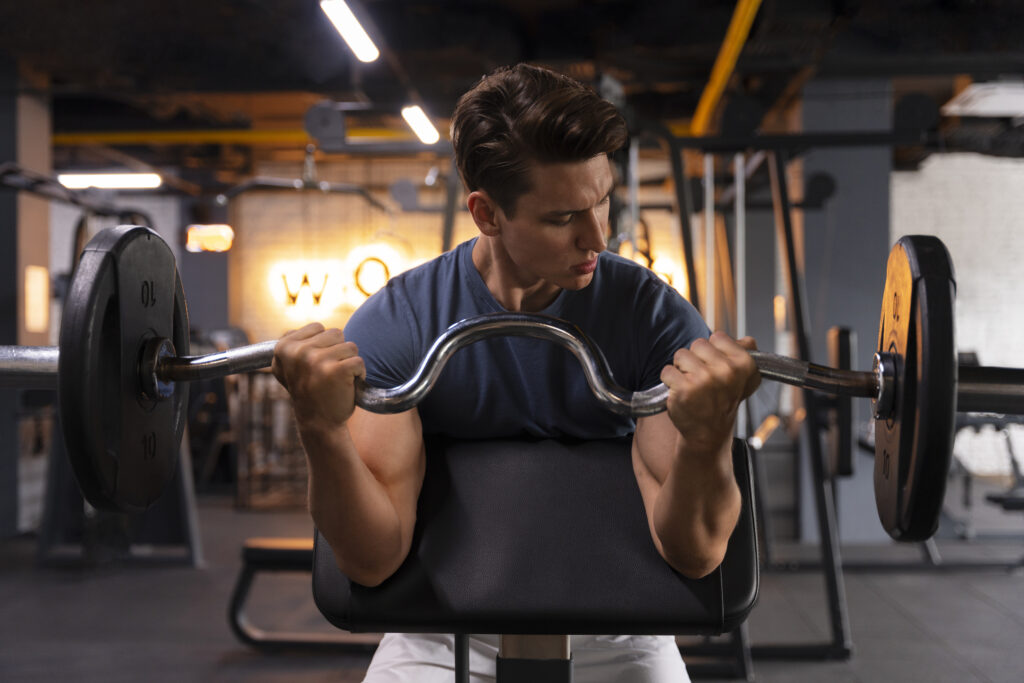
Strength training for athletes is the foundation of excellence in sports. It transforms raw talent into measurable performance, enhancing power, endurance, and resilience while preventing injuries. Mastering strength training for athletes is not just about lifting heavier weights; it is about understanding movement mechanics, applying progressive training principles, and integrating proper nutrition to achieve sustainable results.
In the world of competitive sports, natural talent alone is no longer enough. Today’s athletes require scientifically designed programs that combine physical conditioning and strategic planning. Strength training for athletes ensures optimal performance across all sports, from sprinting and swimming to cricket and martial arts. NFNA, India’s leading Nutrition and Fitness Academy, trains aspiring fitness professionals to guide athletes safely and effectively, blending evidence-based practices with hands-on expertise.
What Is Strength Training for Athletes
Strength training for athletes is a targeted approach to improving physical performance in sports. Unlike general fitness routines aimed at weight loss or overall health, athlete-focused strength programs are designed to improve muscle power, speed, endurance, and coordination, directly impacting performance on the field or court.
Key physiological benefits of strength training for athletes include:
- Increased muscular endurance to perform repetitive high-intensity actions
- Enhanced joint stability to reduce the risk of injuries
- Improved neural activation for better coordination and faster reaction times
- Optimized body mechanics for efficiency and agility during movements
Types of strength training commonly used by athletes:
- Isometric training, which involves holding positions to strengthen muscles and stabilize joints
- Dynamic resistance training, including squats, presses, and lunges to develop functional strength
- Plyometric training, which emphasizes explosive movements like jump squats or medicine ball throws to increase power and speed
Common myths about strength training for athletes:
- Strength training makes athletes bulky and slows them down
- Cardio is more important than strength for performance
- Only professional athletes benefit from strength training
When properly understood and applied, strength training for athletes enhances every aspect of physical performance and ensures long-term athletic success.
Why Strength Training Is a Game-Changer for Every Athlete
Strength training for athletes is more than building muscles. It directly impacts performance, reduces injuries, and develops mental resilience. Athletes who focus on strength enjoy benefits that go far beyond the gym.
Core benefits of strength training for athletes:
- Enhanced Power and Speed: Increased muscle strength allows athletes to sprint faster, jump higher, and react quicker during competition
- Injury Prevention: Strengthening muscles, tendons, and ligaments protects joints from strains, sprains, and overuse injuries
- Improved Endurance: Trained muscles utilize energy more efficiently, delaying fatigue during games and practice sessions
- Mental Resilience: Discipline and consistency in training build focus, determination, and confidence
- Better Body Composition: Strength training reduces excess body fat and improves muscle-to-fat ratio, enhancing agility and overall athletic ability
By consistently applying strength training for athletes, individuals can achieve measurable improvements in performance while reducing injury risk. Athletes gain a physical edge and develop the mental discipline needed for success.
Key Strength Exercises for Athletes
The right exercises are critical for effective strength training for athletes. Incorporating targeted exercises ensures that muscles are prepared for the specific demands of each sport.
Essential exercises for strength training for athletes:
- Squats to strengthen quads, glutes, and core, building lower body power and stability
- Deadlifts to enhance posterior chain strength, promoting explosive movements and overall functional power
- Bench Press to develop chest, shoulders, and triceps, improving pushing strength and upper body endurance
- Walking Lunges to improve balance, unilateral leg strength, and core activation
- Pull-Ups to target lats and biceps, enhancing pulling strength and grip
- Planks to stabilize the core and protect the spine during dynamic athletic movements
Key principles for training smarter:
- Focus on correct form to maximize effectiveness and reduce injury risk
- Apply progressive overload to gradually increase strength and performance
- Use periodization to vary intensity during off-season and competitive season
- Prioritize rest and recovery, allowing muscles to repair and grow stronger
Strength training for athletes is most effective when programs are tailored to the individual’s sport, body type, and goals. A balanced approach ensures sustained improvement and peak performance.
Nutrition: The Forgotten Half of Strength Training
Even the best strength training for athletes cannot achieve maximum results without proper nutrition. Fueling the body with the right nutrients enhances performance, accelerates recovery, and supports muscular growth.
Key nutrition principles for athletes engaged in strength training:
- Adequate protein intake to support muscle repair and growth
- Proper hydration to maintain strength, focus, and endurance
- Micronutrients like calcium, magnesium, and zinc to optimize energy metabolism and recovery
- Post-workout nutrition combining proteins and carbohydrates to promote muscle adaptation
NFNA emphasizes an evidence-based approach to nutrition, ensuring that athletes learn the scientific principles behind fueling strength. Through Applied Nutrition and Personal Training courses, students gain expertise in designing holistic programs that integrate training, nutrition, and recovery strategies for measurable performance improvements.
Common Mistakes Athletes Make in Strength Training
Even experienced athletes make mistakes that limit results or increase injury risk. Awareness and guidance are essential.
Common errors in strength training for athletes:
- Overtraining without sufficient rest, leading to fatigue and injury
- Ignoring mobility and flexibility, which reduces movement efficiency
- Neglecting nutrition, undermining strength gains and recovery
- Failing to use periodization, causing plateaus in performance
Structured guidance and mentorship, such as that provided by NFNA’s certified programs, help athletes avoid these mistakes and achieve consistent, safe improvements.
The Future of Athletic Training in India
Strength training for athletes is transforming the Indian sports landscape. Champions like Neeraj Chopra and Mirabai Chanu combine modern strength techniques with disciplined nutrition and recovery strategies to outperform global competition.
NFNA is at the forefront of this transformation, training professionals to educate, guide, and elevate India’s next generation of athletes. By providing evidence-based certifications and practical knowledge, NFNA ensures that coaches and nutritionists are equipped to maximize athletic potential and support a healthier, stronger sporting community.
Conclusion
Strength training for athletes builds more than physical power. It enhances performance, prevents injuries, and fosters mental resilience. Combining science-backed training with proper nutrition ensures long-term results and sets athletes apart from competitors.
NFNA provides aspiring professionals with the knowledge, certifications, and practical skills to guide athletes safely and effectively. Through dedicated programs, students learn to create high-performance routines that integrate strength, conditioning, and nutrition, shaping champions for India and beyond.
Frequently Asked Questions
Q1. How often should athletes do strength training?
Athletes should aim for two to four strength training sessions per week, adjusting intensity and volume based on sport requirements and season. Rest and recovery are essential for optimal results.
Q2. Can strength training help prevent sports injuries?
Yes. Strengthening muscles, tendons, and joints provides better support during high-impact movements, significantly reducing the risk of sprains, strains, and overuse injuries.
Q3. Do women need different strength training programs?
No. Strength training for athletes can be customized for all individuals. Women benefit equally from resistance training, improving power, endurance, and injury prevention.
Q4. How long before I see results from strength training?
With consistent training and proper nutrition, noticeable improvements in strength, endurance, and performance typically appear within six to eight weeks.
Q5. Should athletes focus more on weightlifting or cardio?
Both are important. Strength training builds foundational power and resilience, while cardio enhances endurance. A balanced program that combines both is ideal.
Q6. Can I combine strength training with sport-specific drills?
Absolutely. Integrating strength exercises with skill training improves overall athletic performance and ensures functional, sport-ready strength.
Q7. Is nutrition more important than exercise?
Both are critical. Strength training and nutrition work together—exercise builds muscle and performance, while proper nutrition supports recovery, growth, and energy levels.
Q8. Can NFNA certification help me coach athletes professionally?
Yes. NFNA equips students with the knowledge, practical skills, and certifications required to safely and effectively guide athletes, preparing them for a high-impact career in sports and fitness.