Polycystic Ovary Syndrome, or PCOS, affects millions of women worldwide, causing a variety of symptoms including hormonal imbalance, weight gain, insulin resistance, fatigue, and mood fluctuations. Many women are told that cardio or dieting alone is the solution, but research shows that strength training for PCOS is one of the most effective ways to address the root causes of this condition.
By incorporating resistance exercises into a regular fitness routine, women with PCOS can improve insulin sensitivity, regulate hormone levels, build lean muscle, and boost metabolism. Unlike cardio alone, strength training for PCOS targets both physical and hormonal aspects of the condition, helping women achieve long-term health improvements. With consistent training and proper nutrition, strength training empowers women to take control of their symptoms and improve overall well-being naturally.
Understanding PCOS: The Science Behind the Symptoms
Polycystic Ovary Syndrome is a hormonal disorder that impacts women of reproductive age and is associated with a variety of metabolic, reproductive, and emotional challenges. Key features of PCOS include irregular menstrual cycles, elevated androgen levels, insulin resistance, difficulty losing weight, fatigue, and anxiety or mood changes.
Hormonal imbalances in PCOS disrupt the normal function of the ovaries. High insulin levels signal the ovaries to produce more testosterone, leading to acne, excessive hair growth, and other metabolic complications. This is where strength training for PCOS becomes critical. Resistance exercises improve the body’s sensitivity to insulin, which in turn helps regulate testosterone levels and reduces the severity of symptoms.
Other benefits of strength training in PCOS include:
- Improving insulin sensitivity and reducing the risk of type 2 diabetes
- Supporting healthy weight management through increased metabolism
- Enhancing mood by promoting the release of endorphins
- Increasing energy levels and reducing fatigue
- Supporting bone health and reducing the risk of osteoporosis
By understanding the underlying hormonal and metabolic issues of PCOS, women can appreciate why strength training for PCOS is more than just a fitness routine, it is a key strategy for long-term health management.
Why Strength Training is a Game-Changer for PCOS
Strength training for PCOS is not just about muscle building; it is a highly effective intervention for regulating hormones, improving metabolism, and managing insulin resistance. While cardio is beneficial for overall cardiovascular health, it does not have the same profound effects on hormone regulation as resistance exercise.
The main benefits of strength training for women with PCOS include:
- Building lean muscle mass which improves insulin sensitivity
- Increasing metabolism and promoting sustainable fat loss
- Regulating hormone levels including testosterone and cortisol
- Improving mental health and reducing stress through endorphin release
- Supporting long-term weight management without extreme dieting
Research shows that women with PCOS who engage in regular strength training for PCOS experience measurable improvements in insulin function, reduced androgen levels, and improved menstrual regularity. Resistance training also helps with body composition, allowing women to gain muscle while reducing excess fat, which further enhances metabolic health.
Unlike cardio-focused routines, strength training for PCOS addresses both physical and hormonal components simultaneously, making it a powerful tool in managing this complex condition.
The Best Strength Training Exercises for PCOS
For women starting a strength training for PCOS routine, it is important to focus on exercises that target large muscle groups. These movements not only help build muscle but also stimulate metabolism and improve insulin sensitivity.
Bodyweight Exercises
- Squats for glutes and thighs
- Push-ups for chest, shoulders, and arms
- Planks for core strength and stability
Resistance Training with Equipment
- Dumbbell presses for upper body strength
- Resistance band rows for back and shoulder muscles
- Bicep curls to strengthen arms
Functional and Compound Movements
- Deadlifts for hamstrings, glutes, and lower back
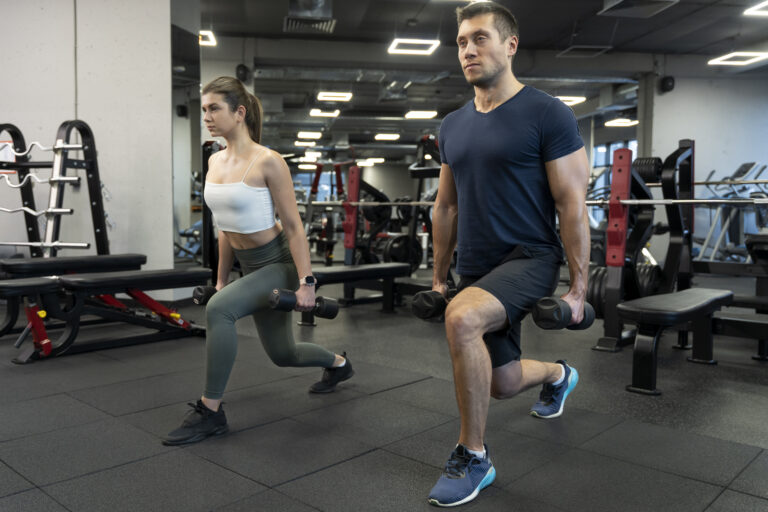
- Lunges for balance and lower body strength
- Overhead presses to strengthen shoulders and arms
Consistency is essential. Women should aim for 3 to 4 sessions per week, gradually increasing resistance or weights over time. This progressive overload ensures continued improvement in muscle mass, metabolism, and insulin sensitivity. By prioritizing strength training for PCOS, women address both metabolic and hormonal health while improving overall fitness.
Creating a PCOS-Friendly Strength Training Routine
A structured approach to strength training for PCOS ensures maximum results without overtraining. Here is a step-by-step guide:
Warm-Up
Spend 5 to 10 minutes warming up with light cardio or dynamic stretching to prepare muscles and prevent injury.
Workout Split
- Day 1: Lower body exercises such as squats, lunges, and glute bridges
- Day 2: Upper body exercises including push-ups, dumbbell rows, and shoulder presses
- Day 3: Full-body circuit combining compound movements like deadlifts, planks, and band rows
Rest and Recovery
Rest days are critical to prevent cortisol spikes and allow muscles to repair and grow. Active recovery with gentle yoga, walking, or stretching is highly recommended.
Cool Down
End each session with stretching or yoga to improve flexibility, reduce stress, and enhance recovery.
Weekly Routine Example
- Monday: Lower body strength training
- Tuesday: Rest or light yoga
- Wednesday: Upper body strength training
- Thursday: Active recovery such as walking or mobility exercises
- Friday: Full-body circuit training
- Saturday: Optional light activity
- Sunday: Rest and mindfulness practice
By following this routine, women practicing strength training for PCOS can target muscle groups effectively, improve insulin sensitivity, and maintain hormonal balance.
Nutrition and Strength Training: Maximizing PCOS Results
Nutrition is a key component of any strength training for PCOS program. A balanced diet supports muscle growth, regulates blood sugar, and helps manage weight.
Essential Nutritional Guidelines for PCOS:
- Include protein sources such as lean meats, eggs, and legumes to support muscle repair
- Choose low-glycemic carbohydrates such as oats, quinoa, and sweet potatoes to regulate blood sugar
- Incorporate healthy fats from nuts, seeds, and olive oil to support hormonal health
- Prioritize hydration and adequate sleep for recovery and metabolism
- Consider micronutrients such as vitamin D, magnesium, and omega-3s to enhance overall health
Combining strength training for PCOS with a nutrient-rich diet helps women achieve better results, including improved hormone balance, reduced insulin resistance, and sustainable weight management. Working with a certified nutritionist can also ensure a personalized approach tailored to individual needs and goals.
Common Mistakes to Avoid
Even with a solid plan, women often make mistakes that reduce the benefits of strength training for PCOS. Avoid the following:
- Overtraining without sufficient rest, which increases cortisol and worsens symptoms
- Lifting too heavy too soon, which can cause injury
- Relying solely on cardio and neglecting resistance training
- Neglecting recovery, hydration, or sleep, which are crucial for hormonal regulation
Quick Tips for Effective Strength Training:
- Focus on consistent workouts and gradual progression
- Prioritize proper form over heavier weights
- Combine resistance training with a balanced diet and recovery strategies
Expert Insights: NFNA’s Recommendation
At NFNA, we advocate for evidence-based fitness and nutrition strategies. Strength training for PCOS is one of the most effective interventions for women looking to manage insulin resistance, balance hormones, and improve metabolic health naturally.
Women who include resistance exercises in their routines often report improvements in energy, mood, body composition, and menstrual regularity. Strength training empowers women with PCOS to take control of their health and make sustainable, long-term changes.
Empower Your PCOS Journey
Strength training for PCOS is about more than weight loss. It helps women reclaim energy, confidence, and hormonal balance. By combining consistent resistance exercise with proper nutrition and recovery, women can achieve sustainable improvements in metabolism, insulin sensitivity, and overall well-being.
Strength training is not a short-term solution. It is a lifestyle approach that addresses the root causes of PCOS, ensuring long-term health benefits and empowerment.
Frequently Asked Questions
Q1. How often should I do strength training for PCOS?
Women should aim for 3 to 4 sessions per week, allowing rest days in between to support muscle recovery and prevent cortisol spikes. Consistency over time is key for hormonal and metabolic benefits.
Q2. Can strength training help with insulin resistance in PCOS?
Yes. Resistance exercise builds lean muscle, which improves insulin sensitivity. This allows the body to regulate blood sugar more effectively, reducing the severity of PCOS symptoms.
Q3. Is cardio necessary if I am doing strength training for PCOS?
Cardio is beneficial for heart health, but strength training for PCOS should be the main focus. Combining both can be effective, but resistance training has a greater impact on hormonal regulation and metabolism.
Q4. How soon can I see results from strength training for PCOS?
Initial improvements in energy, mood, and strength can appear within 4 to 6 weeks. Hormonal balance and body composition improvements usually take 3 to 6 months of consistent training.
Q5. Are bodyweight exercises enough for beginners?
Yes. Bodyweight exercises like squats, lunges, planks, and push-ups are effective for beginners. As strength improves, adding weights or resistance bands enhances results.
Q6. How does strength training reduce testosterone levels in PCOS?
Regular resistance training improves insulin sensitivity. Since high insulin triggers excess testosterone production, lowering insulin through strength training indirectly helps reduce androgen levels.
Q7. What should I eat before and after strength training for PCOS?
Before workouts, consume a balanced meal with protein and low-glycemic carbohydrates for energy. After training, focus on protein and complex carbs to aid muscle recovery and stabilize blood sugar.
Q8. Can beginners start strength training safely with PCOS?
Absolutely. Starting with light weights or bodyweight exercises and focusing on proper form ensures safety. Gradual progression in intensity allows beginners to gain strength without injury.