
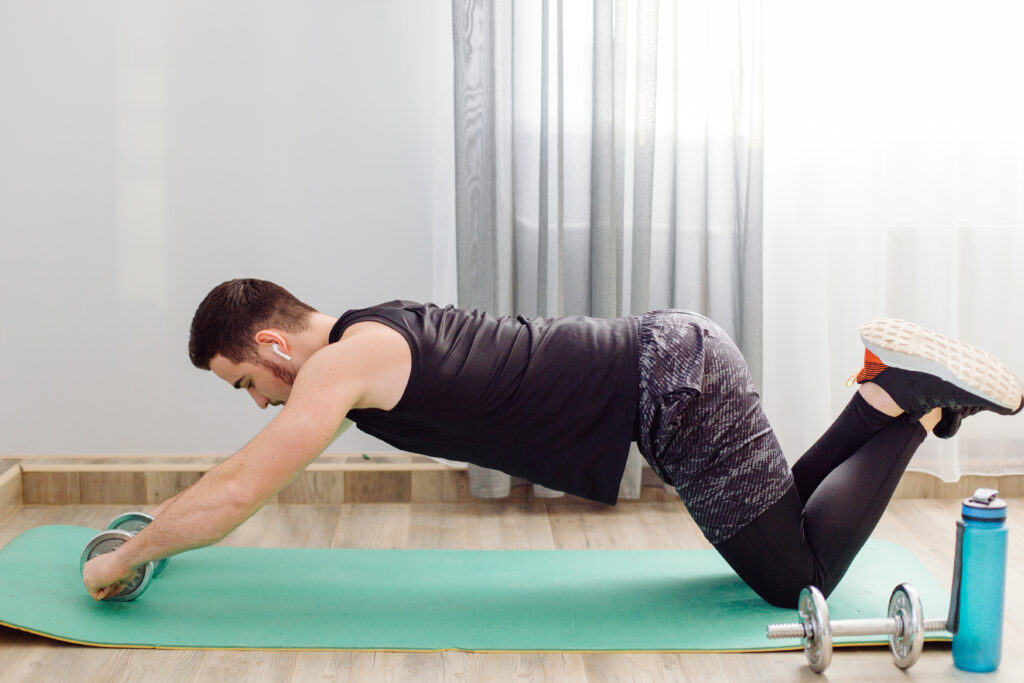
Losing belly fat is one of the most common fitness goals, yet it is also one of the most challenging areas to target. If you are looking for a gym workout for belly fat that actually works, you are in the right place. Belly fat is not just a cosmetic concern; it can be dangerous to your health. Excess fat around your abdomen, particularly visceral fat, increases the risk of heart disease, type 2 diabetes, and hormonal imbalances.
The key to reducing belly fat is a combination of consistent workouts, proper nutrition, and lifestyle adjustments. This guide will show you a step-by-step approach to the most effective gym workout for belly fat, including exercises, a 7-day plan, nutrition strategies, common mistakes to avoid, and tips for staying motivated. By following this guide, you will not only target belly fat but also improve overall fitness, metabolism, and core strength.
Understanding Belly Fat: The Science Behind It
To effectively lose belly fat, you need to understand the types of fat in your abdominal area. Belly fat consists of two primary types:
Subcutaneous fat is the layer of fat located just under the skin. This fat is soft, pinchable, and the type most people notice visually. While it is less dangerous than visceral fat, excessive subcutaneous fat can still affect your appearance and confidence.
Visceral fat is deeper, surrounding your internal organs such as the liver, pancreas, and intestines. High levels of visceral fat are linked to serious health risks, including heart disease, insulin resistance, inflammation, and hormonal disruption.
One important scientific fact is that spot reduction does not work. Doing endless sit-ups or crunches alone will not reduce belly fat. A successful gym workout for belly fat must combine cardiovascular exercises, strength training, and high-intensity interval training (HIIT). This combination maximizes calorie burn, builds lean muscle, and boosts metabolism even at rest. Understanding this science ensures you focus your efforts on workouts that actually target fat loss effectively.
The Best Gym Workout for Belly Fat: Core Training Types
To lose belly fat, your gym routine must be balanced, targeting all major components of fat loss. A proper gym workout for belly fat consists of three main types of training: cardio, strength training, and HIIT.
Cardio Workouts for Fat Loss
Cardio is one of the most effective ways to burn calories and stimulate fat loss. Including cardio in your gym workout for belly fat plan accelerates calorie expenditure and supports overall cardiovascular health.
Examples of cardio exercises include:
- Treadmill sprints. Alternate between one-minute sprints and two-minute walking intervals for 30 to 45 minutes.
- Cycling intervals. Alternate between high-resistance and moderate-resistance cycling to engage both legs and core.
- Rowing machine. Rowing engages your core, back, and legs, providing a full-body workout while targeting belly fat.
For optimal results, perform cardio 4 to 5 times per week. Cardio not only helps burn calories during the session but also improves stamina, heart health, and energy levels.
Strength Training for Muscle Building and Fat Loss
Strength training is a vital component of any gym workout for belly fat because it builds lean muscle mass. Muscles burn more calories at rest than fat tissue, meaning you continue to burn calories even outside the gym.
Recommended strength exercises include:
- Compound lifts such as squats, deadlifts, and bench press. These exercises engage multiple muscle groups simultaneously and boost metabolism.
- Core-focused exercises such as planks, leg raises, and Russian twists. Strengthening the core supports posture, stability, and overall abdominal toning.
- Upper and lower body strength exercises using free weights or machines to improve muscle balance and overall calorie burn.
Include strength training 3 to 4 times per week. Proper form and controlled movements are essential to prevent injuries and maximize results.
HIIT for Maximum Fat Burn
High-intensity interval training (HIIT) involves alternating between short bursts of intense activity and brief rest periods. HIIT is highly effective in a gym workout for belly fat because it increases calorie burn, stimulates fat loss, and boosts metabolism for hours after the workout.
Sample HIIT routine:
- Perform 30 seconds of burpees, jump squats, or mountain climbers.
- Rest for 15 seconds and repeat the cycle 4 to 5 rounds.
- Include HIIT 2 to 3 times per week. Gradually increase intensity as your fitness improves.
HIIT is particularly effective for stubborn belly fat because it triggers the EPOC effect (Excess Post-Exercise Oxygen Consumption), causing the body to burn calories even after exercise.
Sample 7-Day Gym Workout Plan for Belly Fat
Here is a detailed 7-day gym workout plan for belly fat designed to combine cardio, strength, and HIIT for maximum results.
- Monday: HIIT followed by core-focused exercises. This session focuses on high-calorie burn and abdominal toning.
- Tuesday: Strength training targeting upper body. Build lean muscle in the arms, chest, and back, which also helps increase resting metabolism.
- Wednesday: Cardio combined with abs exercises. Focus on treadmill, cycling, or rowing, followed by planks, leg raises, and bicycle crunches.
- Thursday: Rest day or light activity such as yoga or stretching. Active recovery prevents fatigue and promotes muscle repair.
- Friday: HIIT followed by lower body strength exercises. Squats, lunges, and jump squats target glutes, legs, and abs simultaneously.
- Saturday: Full-body strength training. Compound movements like deadlifts, bench press, and overhead press stimulate multiple muscle groups and enhance fat loss.
- Sunday: Light cardio such as walking, swimming, or cycling at a moderate pace. Maintain momentum and support recovery while staying active.
Consistency with this plan ensures that your gym workout for belly fat targets all relevant muscle groups, burns calories effectively, and promotes overall fitness.
Nutrition Tips to Support Belly Fat Loss
Exercise alone cannot eliminate belly fat. Nutrition is equally important for a successful gym workout for belly fat plan. Focus on the following strategies:
- Consume high-protein meals including chicken, fish, eggs, lentils, and low-fat dairy. Protein supports muscle repair and keeps you full longer.
- Avoid refined carbohydrates and sugary drinks, which contribute to fat accumulation.
- Limit intake of bread, pastries, sodas, and sugary snacks.
- Include fiber-rich foods such as oats, vegetables, and fruits to improve digestion and promote satiety.
- Drink plenty of water and consider green tea, which may boost metabolism and support fat loss.
- Maintain a calorie deficit by consuming fewer calories than you burn, but avoid extreme restriction that could harm metabolism.
Nutrition combined with a proper gym workout for belly fat is the most effective approach for safe and sustainable fat loss.
Common Mistakes to Avoid in Belly Fat Workouts
Even the best gym workout for belly fat will be ineffective if these mistakes are made:
- Overtraining without proper rest. Muscles need time to recover and grow, and overtraining can cause injuries.
- Focusing only on ab exercises. Crunches alone do not reduce belly fat; full-body workouts are essential.
- Neglecting diet. Poor nutrition can undermine even the most consistent workout routine.
- Skipping warm-ups or cool-downs. Stretching and warming up prevent injuries and improve performance.
- Inconsistent routines. Fat loss requires regular exercise and adherence to a plan over time.
Avoiding these mistakes ensures your gym workout for belly fat delivers measurable and long-lasting results.
Mindset, Motivation, and Lifestyle Habits
Achieving a toned midsection is not only a physical challenge but also a mental one. Maintaining motivation and adopting healthy habits are crucial for success.
- Prioritize stress management and quality sleep. Poor sleep increases hormones that promote fat storage around the belly.
- Track your progress weekly using measurements, photos, or strength milestones. This helps maintain motivation and ensures accountability.
- Focus on consistency rather than intensity. Regular workouts and healthy eating habits outweigh sporadic high-intensity efforts.
By combining mindset, motivation, and a structured gym workout for belly fat, you will achieve results that are sustainable and realistic.
Expert Insight: Why Professional Guidance Matters
Professional guidance can accelerate your results and ensure safety while performing a gym workout for belly fat.
- Certified trainers help you maintain proper form and reduce the risk of injury.
- Customized workout plans consider your body type, fitness level, and metabolism, making fat loss more efficient.
- Expert supervision ensures sustainable fat loss by combining exercise, nutrition, and lifestyle adjustments.
At NFNA, fitness and nutrition professionals provide science-backed education, helping you achieve long-term results while building a stronger core and leaner body.
Conclusion
Reducing belly fat is achievable with the right combination of gym workouts, nutrition, and healthy lifestyle habits. A program that combines cardio, strength training, and HIIT, supported by a high-protein, low-sugar diet, ensures effective fat loss and muscle toning. Start with small steps, stay consistent, and focus on both your workouts and diet. With dedication, a structured gym workout for belly fat will help you achieve a stronger, healthier, and more confident core.
Turn Your Passion for Fitness into a Career with NFNA
NFNA offers comprehensive training for individuals who want to combine fitness knowledge with a professional career. Learn from certified trainers, nutritionists, and medical professionals through online and offline courses. With over 8,000 certified professionals, NFNA supports your journey toward becoming a fitness expert.
Enroll today at NFNA to start your journey in nutrition, fitness, and holistic health education.
Frequently Asked Questions
Q1. Can a gym workout alone reduce belly fat?
No. Exercise is important, but diet and lifestyle changes are equally critical. A combination of cardio, strength training, and proper nutrition is most effective.
Q2. How often should I do a gym workout for belly fat?
4 to 5 times per week combining cardio, strength, and HIIT exercises is optimal.
Q3. Are crunches enough to burn belly fat?
Crunches strengthen abdominal muscles but do not burn belly fat alone. Full-body fat loss strategies are essential.
Q4. How long will it take to see results?
Consistent effort typically shows visible changes within 6 to 8 weeks, depending on diet and exercise adherence.
Q5. Can beginners do HIIT workouts?
Yes, but start with lower intensity and fewer repetitions, gradually increasing intensity as your fitness improves.
Q6. What should I eat before a belly fat workout?
Light, protein-rich meals with carbohydrates, such as yogurt with fruit or a banana, provide energy without causing discomfort.
Q7. Is strength training better than cardio for belly fat?
Both are necessary. Strength training builds muscle and boosts metabolism, while cardio burns calories and improves cardiovascular health.
Q8. Do I need a personal trainer to lose belly fat?
While not mandatory, professional guidance ensures proper form, reduces risk of injury, and helps create a personalized, effective workout plan.