
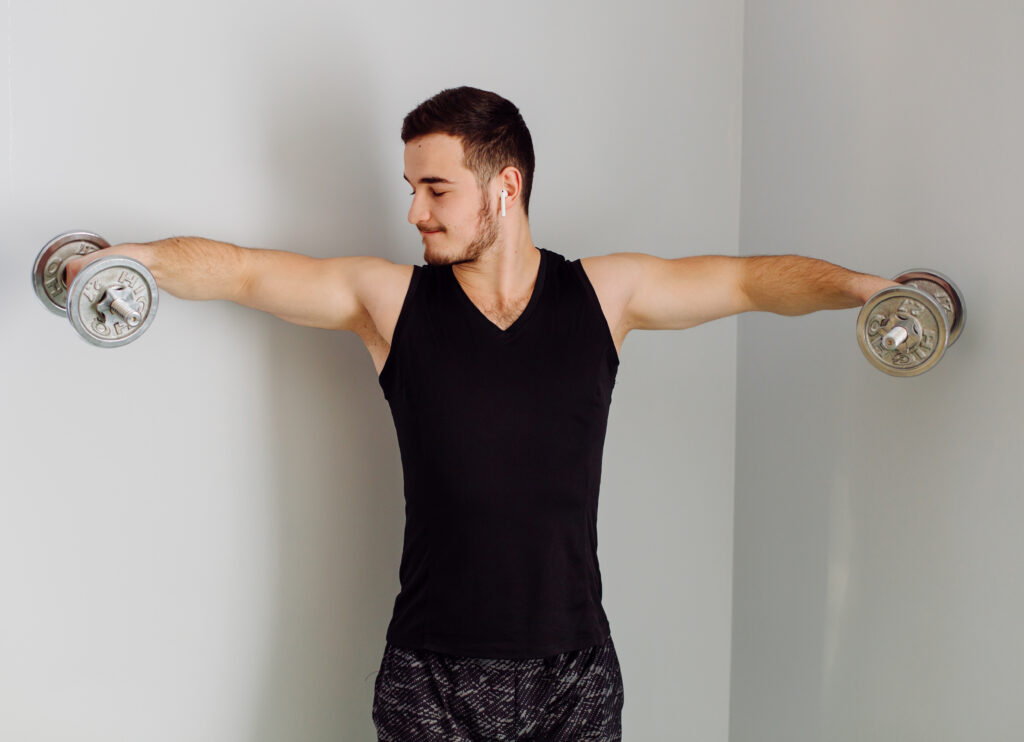
Developing a strong and functional upper body is one of the most effective ways to improve your overall fitness, daily performance, and long-term health. Upper body strength training is not just about lifting heavy weights or achieving a sculpted appearance; it is about building the muscles in your chest, back, shoulders, arms, and core to improve strength, stability, and endurance. By following a structured approach, you can enhance your posture, reduce the risk of injuries, and gain the confidence to perform daily activities and athletic movements with ease.
In this comprehensive guide, we will walk you through the fundamentals of upper body strength training, including the key muscle groups, effective exercises, workout planning, nutrition, and recovery strategies. By the end, you will have all the tools to create a powerful, safe, and results-driven upper body program that aligns with NFNA’s philosophy of holistic fitness and career-focused education.
Why Upper Body Strength Training Matters
Upper body strength training is a critical component of a balanced fitness program. The benefits go far beyond aesthetics. Strengthening your upper body improves your ability to perform everyday tasks such as lifting, pushing, pulling, and carrying objects with ease. It also enhances athletic performance, stability, and overall body coordination.
Some of the most important benefits of upper body strength training include:
- Improved posture and spinal alignment, which can reduce back pain and discomfort.
- Increased functional strength, allowing you to perform daily tasks and athletic activities more efficiently.
- Enhanced metabolism, as lean muscle tissue burns more calories even at rest.
- Reduced risk of injuries by strengthening stabilizing muscles around joints, particularly in the shoulders, elbows, and spine.
- Boosted mental resilience and confidence, as strength gains often translate into a sense of empowerment and accomplishment.
NFNA emphasizes that true fitness is not only about appearance but also about building a strong foundation for long-term health. Strong muscles and a strong mind are inseparable, which is why upper body strength training is central to holistic fitness education.
Understanding Upper Body Muscle Groups
To maximize the effectiveness of upper body strength training, it is essential to understand the major muscle groups and how they function. A well-rounded program targets all muscles to prevent imbalances and ensure sustainable strength development.
Chest (Pectorals)
- Responsible for pushing movements and contributing to upper body power
- Common exercises include push-ups, bench press, and dumbbell flys
Back (Lats, Traps, Rhomboids)
- Provides pulling strength, supports posture, and stabilizes the spine
- Key exercises include pull-ups, dumbbell rows, and face pulls
Shoulders (Deltoids)
- Crucial for overhead strength, shoulder mobility, and stabilization
- Effective exercises include overhead press, lateral raises, and front raises
Arms (Biceps and Triceps)
- Enable flexion and extension of the arms and contribute to overall upper body definition
- Targeted through bicep curls, tricep extensions, and hammer curls
Core Muscles
- Stabilize the upper body during movements and improve balance
- Strengthened through planks, Russian twists, and dead bugs
By targeting each of these areas consistently, upper body strength training ensures balanced development, reduces the risk of injuries, and improves functional performance in everyday life.
Best Upper Body Strength Training Exercises
Choosing the right exercises is crucial for maximizing gains and maintaining proper form. Effective upper body strength training combines compound movements that work multiple muscles and isolation exercises that target specific areas.
Push-Ups
- Target the chest, shoulders, triceps, and core
- Maintain a straight body line and keep elbows at approximately 45 degrees
- Modify by performing knee push-ups if needed
Pull-Ups
- Strengthen the lats, biceps, and traps
- Focus on controlled movements, especially when lowering yourself
- Assisted pull-ups with resistance bands are ideal for beginners
Overhead Press
- Develops the shoulders, upper back, and core stability
- Engage the core to prevent excessive arching of the lower back
- Can be performed with dumbbells or a barbell
Dumbbell Rows
- Strengthen the lats, traps, and rear delts
- Pull the dumbbell toward your hip while keeping your torso stable
- Avoid rotating the torso to maintain proper form
Bicep Curls and Tricep Extensions
- Improve arm definition and contribute to overall upper body power
- Keep elbows tucked and avoid swinging weights to isolate muscles
Front Raises and Face Pulls
- Improve shoulder mobility, posture, and prevent muscle imbalances
- Move slowly and deliberately to maintain control and avoid injury
Proper form and consistency in these exercises are vital. Upper body strength training is most effective when performed with attention to technique, controlled movements, and gradual progression.
Structuring Your Upper Body Workout Plan
A structured plan ensures consistent progress and reduces the risk of overtraining. Upper body strength training should balance intensity, frequency, and recovery.
Frequency and Rest
- Train 2 to 3 times per week, allowing 48 to 72 hours of rest between sessions for recovery
Push and Pull Split
- Alternate push exercises (chest, shoulders, triceps) with pull exercises (back, biceps) for balanced development
Progressive Overload
- Gradually increase resistance, reps, or sets to challenge muscles and stimulate growth
Warm-Up and Cool-Down
- Begin with 5 to 10 minutes of mobility work and light cardio
- End sessions with stretching and recovery exercises to prevent soreness
Sample Weekly Beginner Plan
- Day 1: Push — Push-ups, Overhead Press, Tricep Extensions
- Day 2: Rest or active recovery
- Day 3: Pull — Pull-ups, Dumbbell Rows, Bicep Curls
- Day 4: Rest
- Day 5: Full upper body circuit — Push-ups, Rows, Front Raises
- Day 6 and 7: Recovery and light mobility
This plan allows you to progressively build strength, maintain proper form, and avoid overtraining while keeping your upper body strength training consistent and effective use it as a full body gym workout schedule to combine with a structured weekly routine.
Nutrition and Recovery for Muscle Growth
Nutrition and recovery are essential components of upper body strength training. Without proper fuel and rest, muscles cannot repair or grow effectively.
Protein
- Supports muscle repair and development
- Aim for 1.2 to 1.6 grams per kilogram of body weight daily from sources like eggs, lean meats, and legumes
Hydration
- Maintain 2 to 3 liters of water daily to support metabolic function and recovery
Sleep
- 7 to 9 hours of quality sleep is crucial for muscle growth and hormone regulation
Recovery Techniques
- Stretching, foam rolling, and light mobility work reduce soreness and improve flexibility
- Structured rest days prevent overtraining and enhance performance
NFNA emphasizes that upper body strength training is most effective when paired with proper nutrition and recovery. Aspiring fitness professionals benefit from understanding how to design meal plans that complement training, which is why NFNA’s nutrition courses provide practical, science-backed guidance.
Common Mistakes in Upper Body Strength Training
Many people make mistakes that slow progress or increase the risk of injury. Avoid these common pitfalls in upper body strength training:
- Overtraining: Muscles need rest to recover and grow; training daily at maximum intensity can be counterproductive
- Poor Form: Lifting heavy weights without proper technique can lead to shoulder, elbow, or back injuries
- Ignoring Nutrition: Muscles require adequate protein, calories, and hydration to repair and grow
- Focusing Only on “Mirror Muscles”: Prioritizing only chest and biceps while neglecting back, shoulders, or core leads to imbalances
NFNA emphasizes that strength is not only about lifting heavy weights. Upper body strength training is about lifting smart, with proper technique, progression, and balance.
Upper Body Strength Training for Beginners
A beginner program should focus on form, controlled movements, and gradual progression.
Step-by-Step Plan
- Warm-Up: 5 to 10 minutes of arm circles, shoulder mobility drills, and light cardio
- Core Activation: Planks, dead bugs, and other stability exercises
- Compound Movements: Push-ups, dumbbell rows, overhead press
- Isolation Exercises: Bicep curls, tricep extensions, front raises
- Stretch and Recovery: Shoulder stretches, chest openers, and light mobility
Sample 3-Day Plan
- Day 1: Push — Push-ups, Overhead Press, Tricep Extensions, 3 sets of 12 reps
- Day 2: Pull — Pull-ups or assisted pull-ups, Dumbbell Rows, Bicep Curls, 3 sets of 10-12 reps
- Day 3: Circuit — Push-ups, Dumbbell Rows, Front Raises, 3 rounds
Following a beginner-friendly plan ensures safe and sustainable progress while laying a strong foundation for more advanced upper body strength training.
How NFNA Helps You Build a Strong Foundation in Fitness
NFNA provides education, certifications, and practical experience that go beyond standard fitness programs.
- Diploma in Personal Training + CPR: Comprehensive certification for aspiring fitness professionals
- Applied Nutrition Course: Learn nutrition principles and meal planning to complement training programs
- Expert Trainers: Guidance from certified professionals to ensure correct technique and safety
- Career Outcomes: Prepare for a career as a certified personal trainer or nutrition coach
At NFNA, you do more than train; you develop the skills to educate, inspire, and guide others through safe and effective upper body strength training programs.
Start Your Upper Body Transformation with NFNA
Ready to take your upper body strength training to the next level? Enroll in NFNA’s Diploma in Personal Training + CPR or Applied Nutrition Course and gain the knowledge and skills to become a certified fitness professional.
Visit NFNA or call +91 9836168971 to speak with a mentor today. Learn how to train, fuel, and inspire others while transforming your own body and career.
Frequently Asked Questions
Q1. How often should I perform upper body strength training?
2 to 3 times per week is ideal, with 48 to 72 hours of rest between sessions to allow muscles to recover and grow.
Q2. Can I build upper body strength at home without a gym?
Yes. Exercises like push-ups, pull-ups, dumbbell rows, and resistance band movements are highly effective for home workouts.
Q3. How long does it take to see results from upper body strength training?
With consistent training, proper nutrition, and recovery, noticeable strength improvements typically appear within 6 to 8 weeks.
Q4. Should I focus more on push or pull exercises?
A balanced approach is best. Alternating push (chest, shoulders, triceps) and pull (back, biceps) exercises ensures symmetry and prevents imbalances.
Q5. What role does protein play in upper body strength training?
Protein is essential for repairing and building muscle tissue. Aim for 1.2 to 1.6 grams per kilogram of body weight daily.
Q6. Can women benefit from upper body strength training?
Absolutely. Women gain improved posture, functional strength, metabolism, and overall fitness through upper body training.
Q7. How can beginners avoid injury while performing upper body exercises?
Focus on proper form, start with lighter weights, progress gradually, and incorporate rest and recovery into your program.
Q8. Does NFNA provide career support after certification?
Yes. NFNA offers mentorship, guidance, and practical experience to help students launch successful careers as certified fitness professionals.