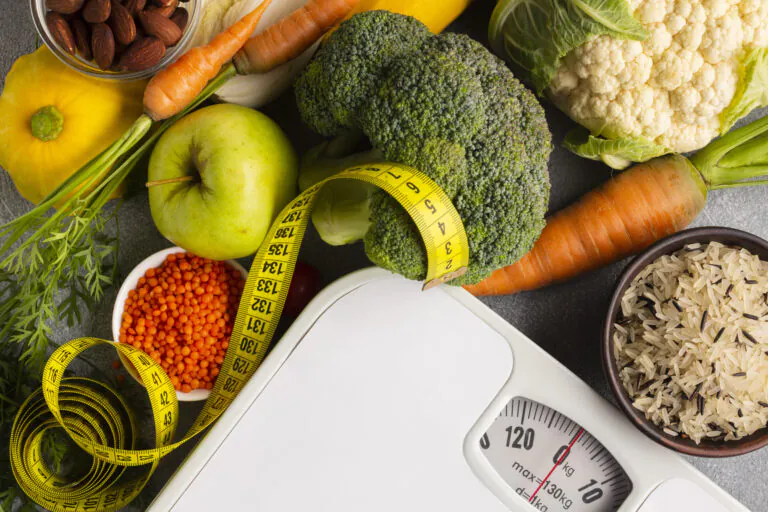

A protein-rich Indian breakfast should ideally provide 15–25 grams of protein from foods like moong dal, paneer, sprouts, besan, millets, quinoa, and seeds. Starting your day with a balanced, protein-rich meal helps improve energy levels, supports muscle health, keeps you fuller for longer, and promotes better appetite control throughout the day.
Introduction
Starting your day with a protein-rich Indian breakfast is one of the simplest ways to improve your energy, stay fuller for longer, and support overall health. Do you start your mornings with a cup of chai and a slice of bread or a bowl of plain cereal and wondered whether oats are good for weight loss? Whether your goal is weight management, muscle building, or maintaining steady energy throughout the day, choosing protein-rich foods at breakfast can make a noticeable difference. Fortunately, Indian cuisine offers plenty of delicious vegetarian and plant-based options packed with protein.
Do you usually begin your morning with a cup of chai and toast or a bowl of plain cereal? While these options may be convenient, they often lack the protein your body needs after an overnight fast. Consuming adequate protein in the morning helps stabilize blood sugar, supports muscle repair, improves concentration, and reduces mid-morning cravings. Whether you’re a student, a working professional, or a fitness enthusiast, making protein the star of your breakfast can transform how you feel throughout the day. Let’s explore some of the best Indian breakfast ideas that are both nutritious and easy to prepare.
What Makes a Breakfast ‘Protein-Rich’?
A protein-rich Indian breakfast is more than just a meal, it is an important part of a balanced lifestyle. Protein supports muscle repair, hormone production, immune function, and sustained energy. Nutrition experts generally recommend consuming 15–25 grams of protein at breakfast to help improve satiety and support overall health.
The benefits of a protein rich Indian breakfast include:
- Provides long-lasting energy by slowing digestion
- Enhances mental focus and concentration during work or study
- Supports muscle repair and growth, especially for active individuals
- Helps regulate appetite and reduces unhealthy snacking
- Contributes to better weight management and metabolism
Scientific studies have shown that consuming a protein-rich breakfast can improve mood, cognitive performance, and overall metabolic health. Incorporating protein in the morning ensures your body has sufficient amino acids to support brain function and muscle recovery. This is particularly important for vegetarians who need to carefully combine plant-based protein sources to meet daily requirements. A protein rich Indian breakfast is the foundation for a healthy and productive day.
The Indian Advantage: Our Protein Sources
One of the greatest advantages of an Indian diet is the wide variety of vegetarian protein sources that are ideal for breakfast. By utilizing these ingredients, you can prepare a protein rich Indian breakfast without relying on eggs or meat. Some of the top options include:
- Moong Dal: 24 grams of protein per 100 grams, perfect for chillas and pancakes
- Besan (Gram Flour): 22 grams per 100 grams, ideal for omelettes and pancakes
- Paneer: 18 grams per 100 grams, versatile for bhurji or sandwiches
- Rajma (Kidney Beans): 9 grams per 100 grams, suitable for toasts and stuffed parathas
- Makhana: 9 grams per 100 grams, can be used in porridge or roasted snacks
- Quinoa: 14 grams per 100 grams, excellent for poha or breakfast bowls
- Millets (Foxtail, Ragi, Bajra): 10 to 12 grams per 100 grams, great for idlis, dosas, and upma
- Chia and Flax Seeds: 17 grams per 100 grams, add to smoothies or oats
These ingredients including options that show how to make protein powder at home from pantry staples can be easily integrated into traditional breakfast items to transform them into a high protein vegetarian breakfast. For instance, millet-based idlis or dosas are a healthier alternative to rice-based versions, and moong dal chillas provide a quick protein boost in under 15 minutes. Incorporating these ingredients ensures your protein rich Indian breakfast is both delicious and nutritionally balanced.
10 Delicious Protein-Rich Indian Breakfast Ideas
Here are ten protein rich Indian breakfast recipes that are easy to prepare, tasty, and nourishing pair any with a quick banana protein shake for an extra protein boost. Each recipe includes an approximate protein content per serving.
1. Moong Dal Chilla
Protein per serving: Approximately 14g
Soak moong dal overnight and grind into a smooth batter. Add onions, tomatoes, coriander, ginger, and spices before cooking on a lightly greased pan until golden.
How to make
- Blend soaked moong dal into a smooth batter with ginger and green chilli.
- Mix in chopped vegetables and cook on both sides until lightly crisp.
- Serve hot with mint chutney or plain curd.
2. Rajma Protein Toast
Protein per serving: Approximately 12g
Mash cooked rajma with spices and spread it over whole wheat toast. Top with chopped onions, tomatoes, coriander, and a squeeze of lemon.
How to make
- Mash cooked rajma with cumin, pepper, and lemon juice.
- Spread generously over toasted whole wheat bread.
- Garnish with fresh vegetables before serving.
3. Besan Vegetable Omelette
Protein per serving: Approximately 13g
Prepare a thick batter using besan, water, vegetables, and spices before cooking it like an omelette.
How to make
- Mix besan with water until smooth.
- Add chopped vegetables, herbs, turmeric, and chilli powder.
- Cook on a hot non-stick pan and serve with yogurt or chutney.
4. Millet Idli or Dosa
Protein per serving: Approximately 10g
Replace rice with nutrient-rich millets while preparing traditional idli or dosa batter for an extra protein boost.
How to make
- Prepare fermented batter using millets and urad dal.
- Steam as idlis or spread into dosas.
- Pair with sambar for additional protein.
5. Makhana Cocoa Porridge
Protein per serving: Approximately 9g (prepared with milk)
This wholesome breakfast combines roasted makhana with milk, cocoa, and natural sweeteners for a comforting meal.
How to make
- Roast makhana until crisp and lightly crush.
- Simmer with milk, cocoa powder, and jaggery.
- Garnish with almonds or chia seeds.
6. Paneer Bhurji with Whole Wheat Toast
Protein per serving: Approximately 18g
Paneer bhurji is one of the easiest ways to enjoy a high-protein Indian breakfast.
How to make
- Sauté onions, tomatoes, ginger, and spices.
- Add crumbled paneer and cook for 3–4 minutes.
- Serve with whole wheat toast or multigrain roti.
7. Quinoa Poha
Protein per serving: Approximately 12g
A protein-rich twist on traditional poha using quinoa instead of flattened rice.
How to make
- Cook quinoa until fluffy.
- Temper mustard seeds, curry leaves, onions, and vegetables.
- Mix in quinoa and finish with lemon juice.
8. Sprout Vegetable Pancakes
Protein per serving: Approximately 15g
Sprouted moong adds both protein and beneficial enzymes.
How to make
- Blend sprouts with besan and spices.
- Add chopped vegetables.
- Cook small pancakes on a lightly greased pan.
9. Oats Upma with Seeds
Protein per serving: Approximately 11g
A hearty breakfast combining oats with vegetables and nutrient-rich seeds.
How to make
- Roast oats until aromatic.
- Cook with vegetables, mustard seeds, and curry leaves.
- Stir in pumpkin, sunflower, and chia seeds before serving.
10. Moringa-Makhana Paratha
Protein per serving: Approximately 13g
This nutritious paratha combines whole wheat flour with moringa and roasted makhana powder.
How to make
- Prepare dough using whole wheat flour, moringa powder, and makhana powder.
- Roll into parathas and cook on a hot tawa.
- Serve with yogurt or mint chutney.
Quick Tips to Make Breakfasts More Protein-Rich
In addition to these recipes, follow these tips to consistently prepare a protein rich Indian breakfast:
- Plan ahead soak dals, sprouts, and prepare batters the night before
- Add sides such as Greek yogurt, nuts, or chia pudding to increase protein content
- Replace refined flours with millet or besan flour
- Pair protein with fiber-rich vegetables or whole grains for sustained energy
-
Include morning hydration like lemon water, green smoothies, or a Banana protein shake to support metabolism
Common Mistakes to Avoid
Even when aiming for a protein rich Indian breakfast, people often make avoidable mistakes:
- Consuming only carbohydrates like cereal, white bread, or parathas
- Ignoring plant-based protein sources such as lentils, paneer, or sprouts
- Skipping breakfast entirely, which leads to mid-morning fatigue
- Overcooking or under-soaking pulses, which reduces digestibility and nutrient absorption
Avoiding these mistakes ensures your protein rich Indian breakfast delivers maximum health benefits.
Why a Protein-Rich Breakfast Matters
Research suggests that eating a higher-protein breakfast can increase feelings of fullness, help reduce hunger later in the day, and support better energy balance compared to lower-protein breakfasts. Protein also plays an essential role in preserving lean muscle mass and maintaining stable blood sugar levels. A review published in the American Journal of Clinical Nutrition concluded that increasing dietary protein can improve satiety and support healthy weight management when included as part of a balanced diet.
Reference: Leidy HJ, Clifton PM, Astrup A, et al. The role of protein in weight loss and maintenance. American Journal of Clinical Nutrition. 2015;101(Suppl 6):1320S–1329S.
The Holistic Connection: Protein, Gut, and Mood
A protein rich Indian breakfast supports not only physical health but also gut health and mental well-being. Protein stabilizes blood sugar levels, reducing sudden energy crashes that affect mood and focus. Amino acids from protein help produce neurotransmitters like serotonin and dopamine, which regulate stress and mood. Experts in holistic nutrition, such as Luke Coutinho, recommend a protein-rich breakfast as a foundation for overall wellness. By consuming a balanced, protein-rich meal in the morning, you can improve digestion, enhance hormonal balance, and feel mentally sharper throughout the day.
Conclusion
A protein rich Indian breakfast is not just a meal—it is a lifestyle choice that can transform your energy, focus, and overall health. By incorporating ingredients like lentils, paneer, sprouts, millets, and seeds into your morning routine, you can enjoy a satisfying and nourishing breakfast every day. Start with one of the 10 recipes mentioned above and gradually make protein the star of your mornings for a healthier, more productive day.
Did you know you can build a career helping others eat right? Explore nutrition courses from certified experts.
Explore NFNA’s Courses
Ready to take your passion for nutrition and fitness to the next level? At NFNA – The National Fitness & Nutrition Academy, you can become a certified expert in Applied Nutrition, Dietetics, and Fitness Coaching. Learn from experienced doctors, dieticians, and wellness mentors who have empowered thousands of students across India.
Join India’s most trusted nutrition academy and start building your career in fitness and wellness today whether through short certifications or the full diploma in applied nutrition designed for those seeking deeper clinical expertise. Explore NFNA’s courses now and turn your passion into purpose.
Frequently Asked Questions
Q1. What is the best high-protein vegetarian breakfast?
Moong dal chilla, paneer bhurji, and sprout pancakes are among the best choices for a protein rich Indian breakfast. They are easy to prepare and highly nutritious.
Q2. How much protein should I eat in the morning?
Aim for 15 to 25 grams of protein per breakfast to support energy, satiety, and cognitive function.
Q3. Can I get enough protein without eggs or meat?
Yes. Ingredients like paneer, lentils, sprouts, quinoa, and seeds provide ample protein for a vegetarian protein rich Indian breakfast.
Q4. Which Indian superfoods are richest in protein?
Paneer, makhana, moringa, rajma, besan, and millets are all excellent sources of protein for breakfast.
Q5. Are millets suitable for a protein-rich breakfast?
Absolutely. Millets like foxtail, ragi, and bajra contain 10–12 grams of protein per 100 grams and are rich in fiber.
Q6. Can a protein-rich breakfast be prepared quickly?
Yes. Options such as oats upma, sprout pancakes, and besan omelettes can be prepared in under 15 minutes.
Q7. Should protein be combined with carbohydrates in breakfast?
Yes. Pairing protein with fiber-rich carbohydrates provides longer-lasting energy and keeps you full longer.
Q8. Can children benefit from a protein-rich Indian breakfast?
Definitely, Protein-rich breakfasts support growth, brain development, immunity, and overall health in children.