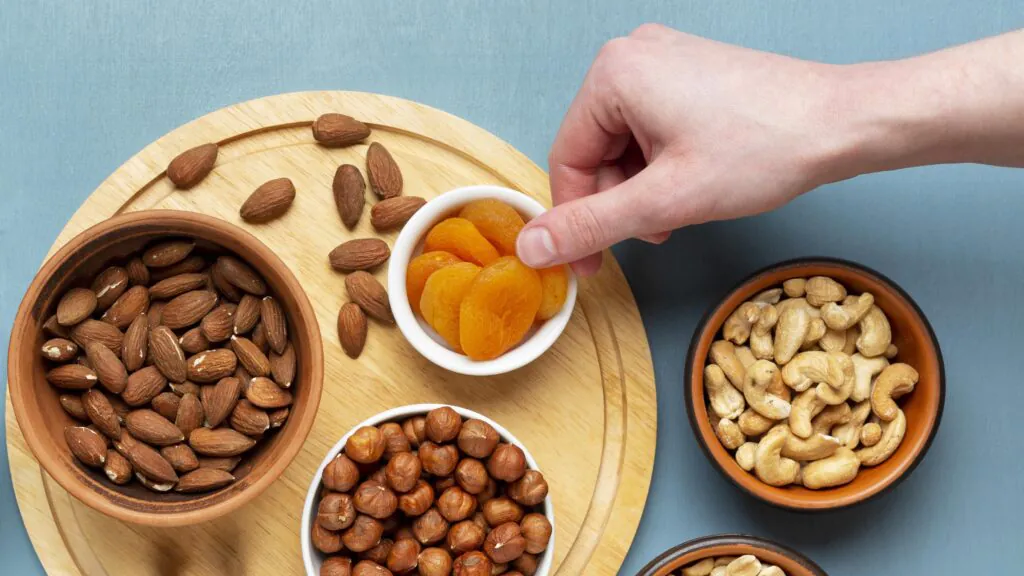
When it comes to increasing your daily protein intake, many people immediately think of eggs, dairy, or meat. However, protein in dry fruits is a natural, plant-based alternative that not only provides protein but also essential vitamins, minerals, and healthy fats. Incorporating dry fruits into your diet can help support muscle growth, improve energy levels, and enhance overall wellness.
In this article, we will explore the top high protein dry fruits, their protein content, nutritional benefits, and practical ways to include them in your daily routine. By understanding how protein in dry fruits contributes to a healthy diet, you can make smarter food choices and support your fitness and health goals naturally. Whether you are a vegetarian, athlete, or simply someone looking for nutritious snacks, this guide will help you harness the power of protein in dry fruits.
Understanding Protein in Dry Fruits
Protein in dry fruits is an essential nutrient that supports many vital functions in the body. Proteins are the building blocks of muscles, hormones, enzymes, and other molecules necessary for maintaining good health. Unlike animal-based proteins, dry fruits provide plant-based protein along with fiber, antioxidants, and healthy fats. This combination makes them a perfect choice for people seeking high protein dry fruits for sustainable energy and nutrition.
Dry fruits such as almonds, walnuts, cashews, and pumpkin seeds contain a significant amount of protein, making them a convenient and natural source of nourishment. Including protein in dry fruits in your diet can help:
- Protein in dry fruits aids in muscle repair and growth
- It supports hormone and enzyme production
- It enhances immune system function
- It provides long-lasting energy for daily activities
For those following a vegetarian or vegan diet, protein in dry fruits is particularly valuable, and exploring a comprehensive list of highest protein plant-based foods per 100g can help you build a complete plant-based nutrition strategy beyond just snacking. Athletes and fitness enthusiasts also benefit from the combination of protein and healthy fats, which supports both performance and recovery. By choosing high protein dry fruits, you can enjoy a nutrient-dense snack that complements other sources of protein without the need for supplements.
Top 12 High Protein Dry Fruits You Should Include in Your Diet
Eating high protein dry fruits is one of the easiest ways to boost your protein intake naturally. Here is a detailed look at the top dry fruits and seeds that are rich in protein:
Almonds – The Protein Powerhouse
Protein in almonds is approximately 21 grams per 100 grams. They are rich in Vitamin E, healthy fats, and fiber. Almonds support heart health, improve skin quality, and provide sustained energy. You can enjoy them raw, soaked, roasted, or in smoothies.
Pistachios – Small but Mighty
Pistachios contain about 20 grams of protein per 100 grams. They are an excellent source of fiber and antioxidants, making them a perfect snack for post-workout recovery. Adding pistachios to salads or eating them as a mid-day snack can provide both nutrition and energy.
Walnuts – Omega-3 and Protein Combo
Walnuts provide around 15 grams of protein per 100 grams. They are high in omega-3 fatty acids, which reduce inflammation and support brain and heart health. Including walnuts in your diet can help improve cognitive function while providing protein.
Cashews – Creamy and Nutrient-Dense
Cashews contain approximately 18 grams of protein per 100 grams. They are rich in iron, magnesium, and healthy fats. Cashews can be eaten as a snack, used in sauces, or added to smoothies for a creamy texture and protein boost.
Peanuts – Budget-Friendly Protein Source
Peanuts have about 26 grams of protein per 100 grams. They are excellent for muscle repair and energy. Peanuts can be eaten raw, roasted, or as peanut butter, providing an affordable and convenient source of protein in dry fruits.
Chia Seeds – Tiny but Protein-Packed
Chia seeds contain roughly 17 grams of protein per 100 grams. They also provide omega-3 fatty acids, fiber, and antioxidants. Chia seeds can be added to smoothies, puddings, or yogurt to increase protein intake effortlessly.
Sunflower Seeds – Protein Meets Vitamin E
Sunflower seeds provide approximately 21 grams of protein per 100 grams. They are high in Vitamin E, which supports skin and hair health, and they also aid muscle recovery after workouts.
Pumpkin Seeds – The King of Plant Protein
Pumpkin seeds are extremely protein-rich, with around 30 grams per 100 grams. They also provide zinc and omega-6 fatty acids, making them ideal for immunity support and fitness enthusiasts.
Brazil Nuts
Brazil nuts contain about 14 grams of protein per 100 grams. They are rich in selenium, which supports thyroid function and overall health.
Fox Nuts (Makhana)
Fox nuts provide approximately 9 grams of protein per 100 grams. They are low in calories and make a healthy snack option.
Flaxseeds
Flaxseeds contain around 18 grams of protein per 100 grams. They are also high in omega-3 fatty acids, which support heart health and digestion.
Quinoa
Although technically a seed, quinoa contains about 14 grams of protein per 100 grams and is considered a complete plant protein source. It is versatile and can be added to salads, soups, or breakfast bowls.
Comparative Table: Protein Content in Popular Dry Fruits
|
Dry Fruit |
Protein (g/100g) |
Key Nutrients |
Ideal Use |
|
Pumpkin Seeds |
30 |
Zinc, Omega-6 |
Protein topping |
|
Peanuts |
26 |
Arginine, Magnesium |
Pre-workout snack |
|
Almonds |
21 |
Vitamin E |
Breakfast boost |
|
Sunflower Seeds |
21 |
Vitamin E, Fiber |
Smoothies, snacks |
|
Pistachios |
20 |
Fiber, B6 |
Midday snack |
|
Cashews |
18 |
Iron, Zinc |
Smoothies, sauces |
|
Walnuts |
15 |
Omega-3, Antioxidants |
Brain food |
Health Benefits of High Protein Dry Fruits
Consuming high protein dry fruits offers numerous health advantages beyond just protein intake. These benefits include:
- Supports muscle recovery and strength due to essential amino acid
- Boosts metabolism and aids in weight management by increasing satiety
- Provides sustained energy from healthy fats and fiber
- Improves hair, skin, and hormonal balance with key vitamins and minerals
- Acts as an excellent addition to high protein vegetarian foods India lists, ideal for people who do not consume animal products
Including protein in dry fruits in your daily diet can help you maintain a balanced nutrition profile while enjoying tasty and convenient snacks. Want to learn the science behind food composition and plant-based nutrition? Our food science courses are ideal for aspiring nutritionists and food technologists who want to understand the nutritional value of foods like protein in dry fruits through evidence-based learning.
How to Include Protein-Rich Dry Fruits in Your Daily Diet
Incorporating high protein dry fruits into your meals is simple and versatile. Some effective ways include:
- Morning: Add almonds or chia seeds to oatmeal or smoothies
- Pre-workout: Snack on peanuts or pistachios for energy
- Post-workout: Combine walnuts with dates to support recovery
- On-the-go: Make trail mix or protein bars using a mix of dry fruits and seeds
- Creative meals: Use pumpkin seeds as salad toppings, cashews in creamy sauces, or flaxseeds in breakfast bowls
Regularly including protein in dry fruits ensures that you meet your daily protein needs while also obtaining essential vitamins, minerals, and healthy fats.
Final Thoughts
Adding protein in dry fruits to your diet is an easy, natural, and delicious way to enhance your nutrition. From almonds and walnuts to pumpkin seeds and chia seeds, high protein dry fruits provide plant-based protein, healthy fats, and essential nutrients to support muscle growth, energy, and overall wellness. Incorporate them creatively into meals and snacks while being mindful of portion sizes.
By making protein in dry fruits a regular part of your diet, you are taking a step toward a healthier, stronger, and more energetic lifestyle.
Enroll today in NFNA’s
Are you ready to deepen your understanding of nutrition and build a rewarding career in fitness? Learn directly from India’s top doctors, dieticians, and trainers at NFNA – The National Fitness & Nutrition Academy. Enroll today in an applied nutrition diploma course at NFNA covering Food Science & Dietetics or Personal Training Certification to turn your passion for health into a thriving career. NFNA – Spreading Evidence-Based Knowledge. Creating Extraordinary Fitness Professionals.
Frequently Asked Questions
Q1: Which dry fruit has the highest protein content?
Pumpkin seeds are the highest, providing approximately 30 grams of protein per 100 grams. Peanuts and almonds are also excellent sources of protein in dry fruits.
Q2: Are dry fruits effective for muscle building?
Yes. The combination of protein, healthy fats, and fiber in dry fruits supports muscle repair, recovery, and overall growth, making them suitable for athletes and fitness enthusiasts.
Q3: Can dry fruits replace protein supplements like whey protein?
Dry fruits can complement protein supplements but are not a full replacement. They provide natural, plant-based protein and other nutrients, but concentrated supplements may still be required for specific fitness goals.
Q4: How much protein should I consume from dry fruits daily?
Depending on your dietary needs, 30–50 grams of protein from a combination of high protein dry fruits is recommended to support overall nutrition and energy levels.
Q5: Are dry fruits suitable for weight loss diets?
Yes, in moderation. They are nutrient-dense and provide satiety, but because they are calorie-dense, portion control is important for weight management.
Q6: Can children consume high protein dry fruits safely?
Yes. Dry fruits are healthy snacks for children, but younger kids should consume them in chopped or powdered form to avoid choking hazards.
Q7: Do dry fruits have any side effects?
Overconsumption may lead to excess calorie intake or digestive discomfort due to high fiber content. Eating protein in dry fruits in moderation is recommended.
Q8: What is the best way to store dry fruits to retain protein and nutrients?
Store dry fruits in airtight containers in a cool, dry place. Avoid exposure to moisture and sunlight to preserve protein content and prevent spoilage.