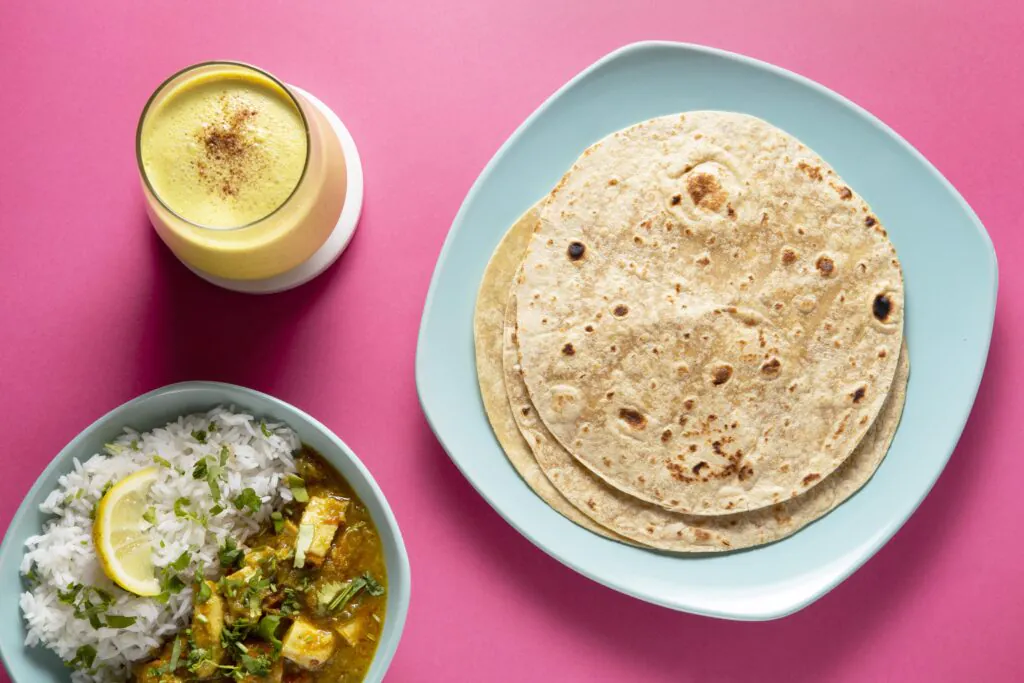
If you have ever wondered how much protein in 1 roti, you are not alone. While rotis are often considered a staple source of carbohydrates in Indian meals, they are also a valuable source of protein, fiber, and essential nutrients. On average, one medium-sized whole wheat roti contains around 2.5 to 3.5 grams of protein. The exact amount depends on factors such as the type of flour used, the size of the roti, and the method of preparation.
Understanding how much protein in 1 roti is essential for anyone focusing on fitness, muscle growth, weight management, or overall health. Incorporating rotis strategically into your meals can help you balance carbohydrates, protein, and fiber effectively. In this article, we will explore the nutritional content of different types of rotis, ways to increase protein content, how rotis compare to other protein sources, and practical tips to make every roti a nutritious part of your diet.
What is Roti Made Of? The Basics Behind the Dough
A roti is a simple yet versatile food that forms the foundation of many Indian meals. While it may look plain, the ingredients and type of flour used directly influence its protein content and overall nutritional value.
Ingredients of Roti
- Whole wheat flour provides moderate protein and fiber
- Water binds the dough and keeps it soft
- Optional additions such as milk, yogurt, or oil can slightly alter calories and protein content
Types of Roti Flours and Their Impact on Protein
Different types of flour contribute different amounts of protein and micronutrients. Knowing how much protein in 1 roti varies by flour type is important for meal planning. Common options include:
- Whole wheat flour, which gives 2.5 to 3.5 grams of protein per roti
- Multigrain flour blends, which provide 4 to 5 grams of protein per roti
- Ragi (finger millet) flour, offering about 3 grams of protein per roti
- Besan (gram flour), which is high in protein, giving 6 to 7 grams per roti
- Bajra (pearl millet) flour, providing around 4 grams of protein per roti
Each flour type not only affects protein content but also adds vitamins, minerals, and fiber, making your meal more nutrient-dense. Understanding how much protein in 1 roti helps you select the right type for your dietary goals.
How Much Protein in 1 Roti — The Nutritional Breakdown
If you are tracking your protein intake, knowing how much protein in 1 roti is crucial. Different types of rotis have different protein values.
Here’s a quick protein chart for common rotis:
|
Type of Roti |
Weight (approx.) |
Protein (per roti) |
Calories |
|
Whole Wheat Roti |
30–40g |
2.5–3.5g |
70–100 kcal |
|
Multigrain Roti |
35g |
4–5g |
90–110 kcal |
|
Ragi Roti |
30g |
3g |
80 kcal |
|
Besan Roti |
30g |
6–7g |
100 kcal |
|
Bajra Roti |
30g |
4g |
90 kcal |
The protein content of a roti depends on its thickness, size, and flour combination. Whole wheat rotis provide complex carbohydrates along with moderate protein, making them ideal for energy, muscle support, and satiety. Knowing how much protein in 1 roti helps you calculate your daily protein requirements more accurately.
How Roti Compares to Other Protein Sources
While rotis contain moderate protein, it is important to understand how they compare to other protein-rich foods, and guides like our breakdown of protein in Indian dal per 100g make it easy to plan complementary pairings that deliver a complete amino acid profile. Rotis are not a complete protein on their own but complement other protein sources perfectly.
- Roti provides approximately 7 to 8 grams of protein per 100 grams
- Lentils provide around 18 grams of protein per 100 grams
- Paneer provides around 18 grams of protein per 100 grams
- Chicken breast provides approximately 31 grams of protein per 100 grams
- Tofu provides around 8 grams of protein per 100 grams
By combining rotis with lentils, paneer, or tofu, you can achieve a balanced and complete protein intake. Understanding how much protein in 1 roti helps vegetarians and fitness enthusiasts plan meals that meet daily protein goals without relying entirely on meat or supplements.
How to Increase Protein in 1 Roti
You can significantly increase the protein content of your rotis by making a few simple adjustments. Here are some effective strategies:
- Use high-protein flour blends such as besan, soy, or quinoa along with whole wheat flour
- Add seeds such as flaxseeds, chia seeds, or hemp seeds into the dough
- Replace water with milk or Greek yogurt when kneading the dough
- Incorporate plant-based or whey protein powders for an extra boost
- Combine different grains to make multigrain rotis with higher protein content
By implementing these methods including learning how to make protein powder at home you can increase the protein content of your daily roti, making it a more substantial and nutritious meal. This ensures that each roti contributes meaningfully to your daily protein intake and overall health.
How Many Rotis Should You Eat Per Day for Balanced Nutrition
The number of rotis you should consume daily depends on your age, gender, and activity level. A balanced intake ensures you get enough carbohydrates and protein without excess calories.
- Sedentary women can eat 2 to 3 rotis per day
- Active women may consume 3 to 4 rotis per day
- Sedentary men can eat 3 to 4 rotis per day
- Active men may consume 4 to 6 rotis per day
It is best to pair rotis with protein-rich foods like dal, paneer, tofu, or lean meats. By knowing how much protein in 1 roti, you can calculate total protein intake and maintain a balanced diet tailored to your health goals.
Is Roti Good for Weight Loss and Fitness Goals
Rotis are ideal for weight loss and fitness when eaten in moderation. Here are some reasons why:
- Roti has fewer calories per serving compared to rice and a lower glycemic index
- Whole wheat and multigrain rotis release sugar slowly, aiding blood sugar control
- Rotis provide complex carbohydrates along with moderate protein, keeping you full longer
For weight management or fitness goals, pairing rotis with protein-rich foods ensures a satisfying, nutrient-dense meal. Knowing how much protein in 1 roti helps you structure meals that support muscle growth, fat loss, and overall well-being.
Plant-Based Protein Pairings for Roti
Vegetarians and plant-based eaters can meet protein needs by pairing rotis with high-protein sides:
- Dal or lentils provide around 18 grams of protein per 100 grams
- Chickpeas provide approximately 19 grams of protein per 100 grams
- Tofu contains about 8 grams of protein per 100 grams
- Greek yogurt offers around 10 grams of protein per 100 grams
Combining these foods with rotis ensures you achieve your protein targets and enjoy a balanced diet. Knowing how much protein in 1 roti helps you mix and match plant-based options including a banana protein shake to optimize nutrition.
Conclusion
Roti is much more than a source of carbohydrates. By understanding how much protein in 1 roti and pairing it with high protein vegetarian foods in India, you can make rotis a nutritious and satisfying part of every meal. Experiment with different flours, seeds, and ingredients to enhance protein content and enjoy meals that support fitness, weight management, and overall health.
Learn from the Experts at NFNA
Want to transform your nutrition knowledge into a professional career? Enroll in NFNA’s Nutrition and Fitness Courses, led by expert dieticians, doctors, and fitness trainers. A certified dietician course at NFNA gives you the science-backed curriculum, practical diet planning skills, and career-oriented certification to build your fitness brand online or offline and start creating a positive impact today.
Frequently Asked Questions
Q1. How much protein is in 1 roti?
One medium-sized whole wheat roti contains 2.5 to 3.5 grams of protein. Multigrain and besan rotis have higher protein content.
Q2. Does eating chapati make you gain weight?
No, chapatis are not fattening when consumed in moderation as part of a balanced diet. They provide complex carbs and moderate protein.
Q3. Which roti has the highest protein?
Besan roti and multigrain roti are the highest in protein, with 6 to 7 grams and 4 to 5 grams per roti respectively.
Q4. Can I eat roti for weight loss?
Yes, rotis are low in calories, high in fiber, and keep you full longer, making them suitable for weight management.
Q5. Is multigrain roti better than wheat roti?
Multigrain rotis usually contain more protein, fiber, and micronutrients compared to plain wheat rotis, making them a better choice for nutrition.
Q6. How can I increase protein in my roti?
Use high-protein flours, add seeds, or knead the dough with milk or Greek yogurt to increase protein content naturally.
Q7. Are rotis suitable for diabetics?
Yes, whole wheat and multigrain rotis have a low glycemic index, releasing sugar slowly and supporting blood sugar control.
Q8. How many rotis should I eat per day?
Depending on activity level and gender, 2 to 6 rotis per day are recommended for balanced nutrition, especially when paired with protein-rich foods.