If you are looking to increase your protein intake and wondering how much protein in 100 gm soya chunks, the answer is approximately 52 grams of protein per 100 grams of dry soya chunks. This makes soya chunks one of the richest plant-based protein sources available, especially for vegetarians and vegans. High in essential amino acids, soya chunks are a nutritional powerhouse that supports muscle growth, weight management, and overall health.
Many people search for how much protein in 100 gm soya chunks to optimize their diet, whether for gym goals, healthy weight loss, or simply maintaining a balanced diet. In this article, we will explore in detail the nutritional composition, health benefits, practical uses, and comparisons of soya chunks with other protein sources, helping you understand why they deserve a place in your daily diet, especially when stacked against everyday staples like protein content in one roti.
What Are Soya Chunks and How Are They Made
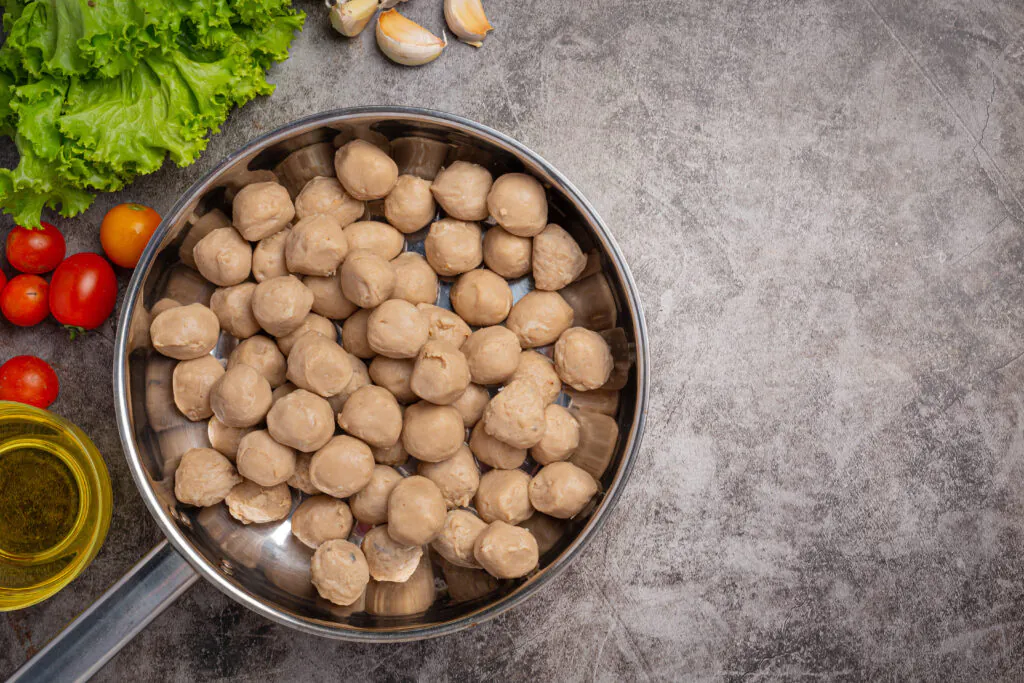
Soya chunks, also called textured vegetable protein (TVP) or soya nuggets, are made from defatted soy flour, which is obtained after extracting oil from soybeans. The flour undergoes processing under high heat and pressure to form small, chewy chunks with a meat-like texture.
Soya chunks are completely plant-based, making them ideal for vegetarians and vegans. They have a neutral taste, which allows them to absorb flavors easily, whether you cook them in curries, soups, or stir-fries. Knowing how much protein in 100 gm soya chunks allows you to integrate them strategically into meals for maximum nutritional benefit.
These chunks are versatile and budget-friendly, often serving as a substitute for meat or paneer in many Indian households. Their high protein content per 100 grams makes them an essential option for those looking to meet daily protein requirements without relying on animal-based products.
Nutritional Value of Soya Chunks (Per 100g Dry)
Understanding how much protein in 100 gm soya chunks requires looking at their overall nutritional profile. For every 100 grams of dry soya chunks, you get:
- Protein: 52 grams
- Carbohydrates: 33 grams
- Fiber: 13 grams
- Fat: 0.5 grams
- Calories: approximately 345 kcal
- Iron: 15.7 mg
- Calcium: 350 mg
When cooked, soya chunks absorb water, which reduces their protein content per 100 grams to about 16–18 grams. However, the proportion of protein relative to their dry weight remains high, making them an excellent plant-based protein source. Knowing how much protein in 100 gm soya chunks helps you calculate your daily protein intake effectively, particularly if you are tracking macronutrients for fitness or health purposes — similar to how protein in sprouts compared to soya chunks stacks up for those exploring more plant-based options.
Protein in Soya Chunks: Why It Is a Game-Changer
Soya chunks are considered a complete protein because they contain all nine essential amino acids required by the human body. This sets them apart from most high protein vegetarian foods in India.
Including soya chunks in your diet offers several advantages:
- Soya chunks provide one of the highest protein concentrations among vegetarian foods. 52 grams of protein per 100 grams dry weight ensures you meet a significant portion of daily protein requirements efficiently.
- They contain minimal fat and no cholesterol, supporting heart health and weight management.
- Soya chunks are more protein-dense than paneer, tofu, eggs, or even lentils.
- They are affordable, easily available, and can be prepared in a variety of dishes to suit any palate.
If you are tracking how much protein in 100 gm soya chunks, this knowledge allows you to strategically replace lower-protein foods in your diet with soya chunks to maximize protein intake.
Comparison of Soya Chunks with Other Protein Sources
Here’s a quick comparison to highlight why soya chunks are a top choice:
|
Food |
Protein (per 100g) |
Fat |
Calories |
|
Soya Chunks |
52g |
0.5g |
345 kcal |
|
Paneer |
18g |
20g |
265 kcal |
|
Tofu |
8g |
5g |
76 kcal |
|
Eggs |
13g |
11g |
155 kcal |
|
Chicken (raw) |
27g |
3.6g |
165 kcal |
Verdict: Soya chunks provide the highest protein per 100 grams among high protein vegetarian foods, making them an excellent choice for daily consumption.
When compared to popular protein supplements, soya chunks hold their own impressively. Many gym-goers who switch from powders to whole-food sources do so specifically to avoid whey protein side effects such as bloating, acne, and digestive discomfort. Soya chunks deliver comparable protein with minimal processing and at a fraction of the cost.
Health Benefits of Soya Chunks
Including soya chunks in your diet provides multiple health benefits:
- Muscle Building and Repair: High protein content supports muscle growth, tissue repair, and recovery after workouts.
- Weight Management: Protein and fiber in soya chunks keep you full longer, helping reduce calorie intake naturally.
- Heart and Bone Health: Low-fat content and high calcium support bone strength and cardiovascular wellness.
- Hormonal Support: Soya contains phytoestrogens that may aid in balancing hormones, particularly in women.
- Boosts Iron and Immunity: Soya chunks are a rich source of iron, supporting energy levels and immune function.
Understanding how much protein in 100 gm soya chunks can help you utilize them effectively to achieve specific health goals, whether it is muscle gain, weight management, or overall wellness much like knowing how curd stacks up on protein when planning a varied protein-rich diet.
Possible Side Effects of Excess Soya Chunk Consumption
While soya chunks are healthy, overconsumption may lead to mild side effects:
- Hormonal imbalance due to excessive phytoestrogen intake
- Potential interference with thyroid function if consumed in very large quantities
- Digestive discomfort such as gas or bloating from excess fiber
Moderate consumption of 25–30 grams of dry soya chunks per day is considered safe. Knowing how much protein in 100 gm soya chunks helps in planning appropriate portion sizes and avoiding overconsumption.
A common concern among fitness enthusiasts is whether high protein intake affects hair health. If you have been wondering does whey protein cause hair loss, it is worth noting that soya chunks being a whole-food source are generally considered a safer alternative to processed protein powders. Choosing natural protein sources like soya helps you meet your daily requirements without the additives often linked to such concerns.
How to Include Soya Chunks in Your Daily Diet
Soya chunks can be prepared in various ways and incorporated into meals for maximum benefit:
- Always boil, soak, or steam before cooking to enhance digestibility
- Add to curries, gravies, stir-fries, and sabzis
- Prepare soya bhurji or cutlets for high-protein snacks
- Include in soups, wraps, and salads for additional protein
Understanding how much protein in 100 gm soya chunks allows you to combine them with other protein sources, grains, or vegetables for balanced meals that meet your daily protein requirements efficiently for comparison, it helps to know how much protein is in paneer as well.
Who Should Eat Soya Chunks and Who Should Limit Intake
Ideal For:
- Vegetarians and vegans seeking complete protein
- Athletes, bodybuilders, and gym-goers
- Individuals managing weight or diabetes
Limit Intake If:
- You have thyroid conditions
- You are allergic to soy
- You are on estrogen-sensitive medications
Knowing how much protein in 100 gm soya chunks helps you adjust portions according to your specific health and dietary needs.
Final Thoughts
Soya chunks are a nutritional powerhouse, providing 52 grams of protein per 100 grams of dry weight. They are ideal for nutrition for muscle building, weight loss, and overall wellness. Affordable, versatile, and easy to prepare, they are a convenient and healthy way to meet your protein requirements.
For anyone asking how much protein in 100 gm soya chunks, the answer is clear: incorporating them into your diet is a smart, effective way to enhance protein intake and achieve health goals.
Learn the Science Behind Your Nutrition with NFNA
If you want to learn more about nutrition and understand the science behind your meals, NFNA India’s leading academy for Nutrition and Fitness Education, provides expert-led courses to turn your passion into a profession.
Learn from certified trainers, dietitians, and doctors through our food science courses. Get lifetime mentorship and support while building a successful career in fitness and nutrition.
Take the next step in your journey to professional nutrition knowledge. Enroll now at NFNA and transform your love for health into a rewarding career.
Frequently Asked Questions
Q1. How much protein is in 100 gm of cooked soya chunks?
Cooked soya chunks contain approximately 16–18 grams of protein per 100 grams because they absorb water during cooking, which reduces protein concentration.
Q2. Are soya chunks suitable for daily consumption?
Yes, consuming 25–30 grams of dry soya chunks daily is considered safe and beneficial for most adults.
Q3. Can soya chunks help with muscle building?
Absolutely. Soya chunks are a complete plant-based protein source and support muscle growth, recovery, and repair effectively.
Q4. Are soya chunks better than paneer for protein?
Yes. 100 grams of dry soya chunks provide 52 grams of protein, while paneer provides only 18 grams per 100 grams.
Q5. Do soya chunks affect thyroid function?
Excessive consumption of soya products may interfere with thyroid activity, but moderate intake is safe for most individuals.
Q6. Can children consume soya chunks?
Yes, children can safely consume soya chunks in small portions, properly cooked and included as part of a balanced diet.
Q7. Are soya chunks helpful for weight loss?
Yes. The high protein and fiber content keep you full for longer periods, helping reduce overall calorie intake.
Q8. Are soya chunks vegan-friendly?
Yes. Soya chunks are 100% plant-based and suitable for vegans and vegetarians.
Lorem ipsum dolor sit amet, consectetur adipiscing elit. Ut elit tellus, luctus nec ullamcorper mattis, pulvinar dapibus leo.